High-Density Storage Solutions for Cold Chain & Logistics
Engineered for extreme sub-zero resilience, structural impact tolerance, and maximum cubic pallet occupancy across Norwegian logistics hubs from Oslo to Tromsø.
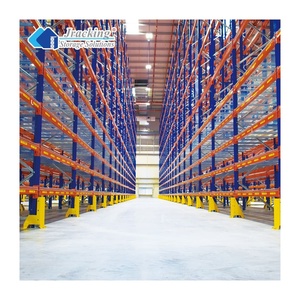
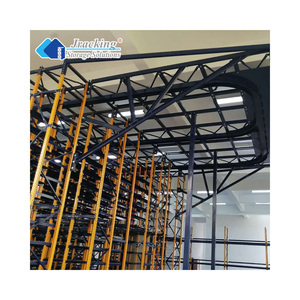
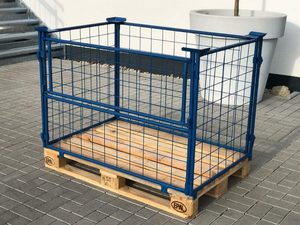
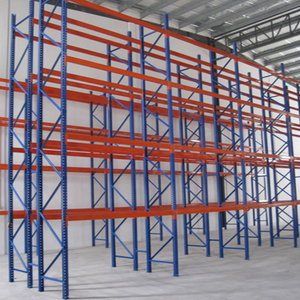
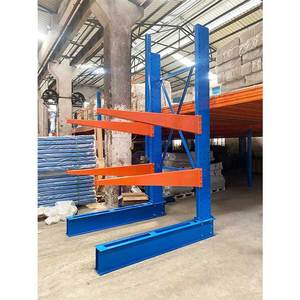
Heavy Duty URGO Available Slotted Angle Racks Pallet Racking System
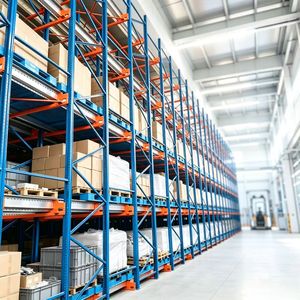
High Density Shuttle Rack System For Pallet Storage FIFO & LIFO Warehouse Solution
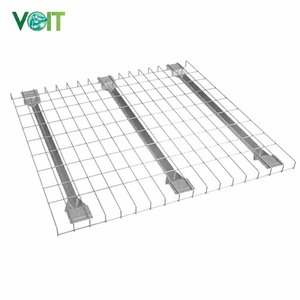
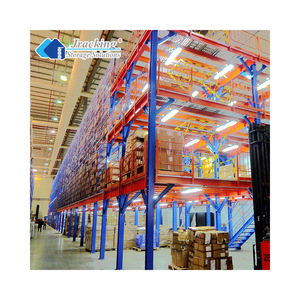
High-Density Push Back Systems in the Norwegian Warehousing Landscape
Warehouse design and material handling engineering in the Kingdom of Norway present a unique convergence of geographic, climatic, and socioeconomic parameters. With municipal land zoned for industrial development around key logistics belts—specifically the Greater Oslo Region (Vestby, Moss, Gardermoen, and Drammen), the West Coast maritime maritime corridors (Bergen and Stavanger), and the central transshipment node of Trondheim—commanding premium real estate lease rates exceeding 1,400 to 1,900 NOK per square meter annually, floor footprint optimization is an urgent operational imperative. Furthermore, statutory heating, ventilation, and energy building mandates under the Norwegian Planning and Building Act (TEK17) demand rigorous insulation values and cubic efficiency, particularly in temperature-controlled cold storage environments.
Push back pallet racking systems (also engineered as cart-pushback or telescoping trolley racking) have emerged as the premier structural solution for Norwegian enterprises seeking to reconcile intense volumetric capacity with fast pallet accessibility. Operating on a Last-In, First-Out (LIFO) inventory matrix, push back systems store pallets between 2 to 6 deep on nested structural steel carts running along inclined structural C-channels or guided track profiles. Unlike drive-in racking, which exposes upright frames to continuous forklift impact within deep structural flues, push back configurations maintain forklift activity strictly at the operational front aisle. This architecture reduces cycle times by up to 40%, decreases structural collision damage by over 60%, and achieves storage densities up to 75% higher than conventional selective pallet racking.
Structural Anatomy of Cold-Resistant Push Back Racking
Evaluating load vectors, steel metallurgical grades, trolley bearing tolerances, and inclination slopes under NS-EN 15512 and NS-EN 15620 standards.
Designing push back racking for demanding Norwegian applications—such as seafood processing facilities in Ålesund or sub-zero pharmaceutical depots in Lillestrøm—requires meticulous adherence to European structural design codes, notably NS-EN 15512 (Steel static storage systems - Adjustable pallet racking systems - Principles for structural design) and NS-EN 15620 for clearances and deformation limits. The dynamic thrust generated when a forklift operator pushes 1,200 kg unit loads up an engineered incline of 2.5% to 3.5% induces cyclical torsional stresses on the horizontal load beams and cart carriages.
| Engineering Parameter | Standard Specification | Cold-Store Heavy-Duty (Norway Spec) | Functional Impact |
|---|---|---|---|
| Steel Grade | S235JR / S355JR Roll-Formed | Q345D / S355J2 with Charpy V-Notch test at -20°C/-40°C | Prevents brittle fracture in deep-freeze fisheries and sub-zero storage |
| Cart Trolley Bearing | Standard Carbon Shielded Ball Bearings | Hermetically Sealed Stainless Steel Bearings with synthetic low-temp grease (-45°C) | Eliminates bearing seizure and cart freeze-ups in high-moisture condensations |
| Slope Gradient | 3.0% to 3.5% standard gravity incline | 2.8% to 3.2% calibrated with dampener guides | Ensures smooth gravity feed without aggressive pallet runout or impact at front face |
| Upright Profile | Open C-Channel roll-formed 90mm - 120mm | Heavy-Duty Closed Tubular / Hot-Rolled Structural Channel (SK3000 / SK2000 Class) | Delivers up to 250% higher torsional resistance against recurring forklift corner impact |
| Cart Architecture | Welded Angle Nested Frame | Low-Profile Telescoping Structural Steel Carts with integrated pallet drop stops | Maximizes vertical clear height per tier; safeguards against pallet tip or misalignment |
| Surface Protection | Standard Epoxy Polyester Powder Coat (60μm) | Electrostatic Zinc Rich Primer + Hybrid Anti-Corrosion Topcoat or Hot-Dip Galvanized (ISO 1461) | Resists aggressive saline washdowns and condensation rust in coastal marine ports |
In nested cart push back architecture, each cart rides along dedicated inclination guide rails. As the primary front pallet is deposited onto the top cart, the second pallet uses the first pallet's face to push the carriage rearward, exposing the nested secondary cart. When retrieving, the removal of the lead pallet enables gravitational kinetic energy to roll subsequent carts gently down to the pick face at a controlled speed. Safety catch stops, anti-lift interlocks, and rubberized hydraulic deceleration buffers are integrated at the pick face to guarantee absolute operator safety under Norwegian labor safety mandates (Arbeidstilsynet regulations).
Top 10 Push Back Racking Suppliers & Exporters Serving Norway
A rigorous engineering and logistics assessment of the leading manufacturers supplying structural and roll-formed high-density push back systems to the Norwegian continent.
Steel King / Jracking Storage Systems
Renowned globally for heavy-duty structural steel excellence since 1970, Steel King / Jracking delivers industrial-grade push back racking fabricated from hot-rolled structural steel channels and closed tubular uprights. Offering comprehensive compliance with European EN 15512 and RMI ANSI standards, their nested cart push back systems are custom-engineered for sub-zero salmon aquaculture freezing plants and high-velocity distribution centers across Norway. Direct shipping to Drammen, Oslo, and Brevik ports with factory-direct engineering layout support.
Constructor Norway AS (Kasten / Dexion)
Operating as part of the Gonvarri Material Handling Group, Constructor Norway AS is an established domestic titan headquartered in Vinterbro. They supply standardized P90 push back cart and roller track solutions tailored specifically for Norwegian warehouse specifications. With extensive local engineering teams and installation crews, they hold substantial market share in central grocery and retail logistics hubs throughout Eastern Norway.
Jungheinrich Norge AS
Headquartered in Alnabru, Oslo, Jungheinrich Norge integrates heavy-duty static storage with their extensive electric forklift and reach truck fleet. Their push back systems feature precision roller-bed flow systems and heavy cart tracks engineered to interface smoothly with guided material handling vehicles, minimizing aisle footprint and maximizing reach truck velocity in high-bay spaces.
SSI SCHAEFER Norway
A premier European material handling engineering firm with dedicated operations in Oslo, SSI Schaefer excels in designing integrated logistics ecosystems. Their dynamic push back configurations emphasize modular scalability, automated buffer integration, and stringent conformance to FEM European structural directives for high-bay frozen grocery operations.
BITO Storage Systems Nordic
German manufacturing precision characterizes BITO’s Nordic operations. Their push back pallet racking features specialized high-performance steel rollers and nested carts that offer exceptionally low starting resistance, making them ideal for handling mixed loads and uneven wooden EUR pallets common in industrial manufacturing spare parts depots.
Mecalux Nordic
Mecalux exports modular push back racking solutions into Norway utilizing both cart-on-rail and roller-track mechanisms. Their systems provide variable lane depths from 2 to 6 pallets deep and integrate seamlessly with their proprietary Easy WMS software, offering mid-market Norwegian distributors cost-effective, high-density storage capacity.
Stow Group (Stow Racking Nordic)
With modern manufacturing plants in Belgium and Eastern Europe, Stow Group provides robust pallet racking systems engineered to European standard EN 15512. Stow’s push back cart systems utilize reinforced front uprights and heavy bracing geometries, making them highly resilient against forklift shocks in high-traffic logistics environments.
Nedcon Storage Management
Part of the Voestalpine Group, Netherlands-based Nedcon is an engineering-first supplier of complex warehouse structures. Their custom push back solutions feature exceptional steel metallurgy with tight dimensional tolerances, frequently deployed by automated system integrators across the Scandinavian maritime and pharmaceutical industries.
AR Racking Scandinavia
Exporting fully galvanized and powder-coated storage structures manufactured in Spain, AR Racking provides push back cart systems featuring 100% traceability on structural steel components. Their seismic-ready and cold-resistant cart assemblies meet stringent safety guidelines, serving offshore equipment and building material suppliers in coastal Norway.
Reesink Material Handling Norway
Reesink acts as a critical local distributor and integrator of static racking systems matched to premium lift truck equipment throughout Norway. Supplying turnkey warehouse solutions with specialized cart-pushback engineering, Reesink delivers localized maintenance, safety certifications, and installation oversight from regional service branches.
Localized Engineering Use Cases Across Norway
Strategic deployment of push back racking systems addressing regional climate, maritime operations, and economic supply chains.
1. Marine Aquaculture & Pelagic Cold Chains
Norway’s multi-billion NOK salmon aquaculture industry in Western and Northern Norway (Hordaland, Møre og Romsdal, and Nordland) demands deep-freeze buffer facilities operating at continuous temperatures between -25°C and -30°C.
- Thermal Volume Optimization: Push back racking eliminates unnecessary forklift aisles, drastically reducing the refrigerated volume required per stored metric ton of frozen fish crates.
- Zero Freeze-Up Mechanics: Heavy-gauge stainless steel cart wheels equipped with low-viscosity synthetic fluoropolymer lubricants prevent freeze seizure during moisture transitions.
- Sanitary Washdowns: Hot-dip galvanized or specialized zinc-rich hybrid coatings prevent corrosion from brine and aggressive sanitizing chemicals.
2. Southern Logistics Hubs (Vestby & Moss)
Centrally situated along the E6 transport corridor, major Norwegian retailers (such as NorgesGruppen, Coop, and Rema 1000 supply networks) operate high-velocity regional distribution centers where floor rent is at a premium.
- Fast SKU Batching: A 3-deep or 4-deep push back rack system provides high cubic density while allowing distinct SKUs in every vertical and horizontal lane.
- Forklift Safety: Operators never drive into the racking structure, eliminating the primary cause of frame collapse and upright shearing.
- Standard EUR-Pallet Handling: Optimized cart profiles prevent wood pallet slippage and handle bottom-board orientations seamlessly without slave boards.
3. Maritime & Energy Supply (Stavanger & Bergen)
Supplying the North Sea offshore oil, gas, and burgeoning offshore wind sectors involves handling high-density, heavy-payload mechanical valves, subsea spares, and raw raw materials.
- Heavy Payload Ratings: Structural steel push back carts support extreme point loads up to 1,500 kg per pallet position without deflection.
- Seismic & Ground Stability: Structural bolting conforms to Eurocode 8 seismic and foundation soil load limits for reclaimed port-terminal sites.
- Telescoping Rigidity: Closed structural tubular uprights withstand accidental impact from heavy counterbalance diesel forklifts.
Macro Logistics & Engineering Trends Shaping Norway
How automation, environmental mandates, and real estate economics dictate modern racking procurement.
TEK17 & Green Energy
High electricity costs in southern bidding zones (NO1/NO2) drive companies to compress cold store footprints. High-density push back decreases refrigeration thermal loss by consolidating chilled air space.
Decarbonized Steel Supply
Norwegian procurement policies increasingly mandate Environmental Product Declarations (EPDs). Specifying low-carbon recycled steel and clean powder coatings gives international suppliers an edge.
Labor Scarcity & Ergonomics
High hourly operator wages in Norway necessitate high throughput per labor hour. Push back racking speeds up pallet staging by over 30% compared to deep drive-in systems.
Hybrid Shuttle Integration
Transitioning between manual push back and semi-automated four-way radio shuttle channels allows Norwegian warehouses to modernize modularly without massive CapEx overhauls.
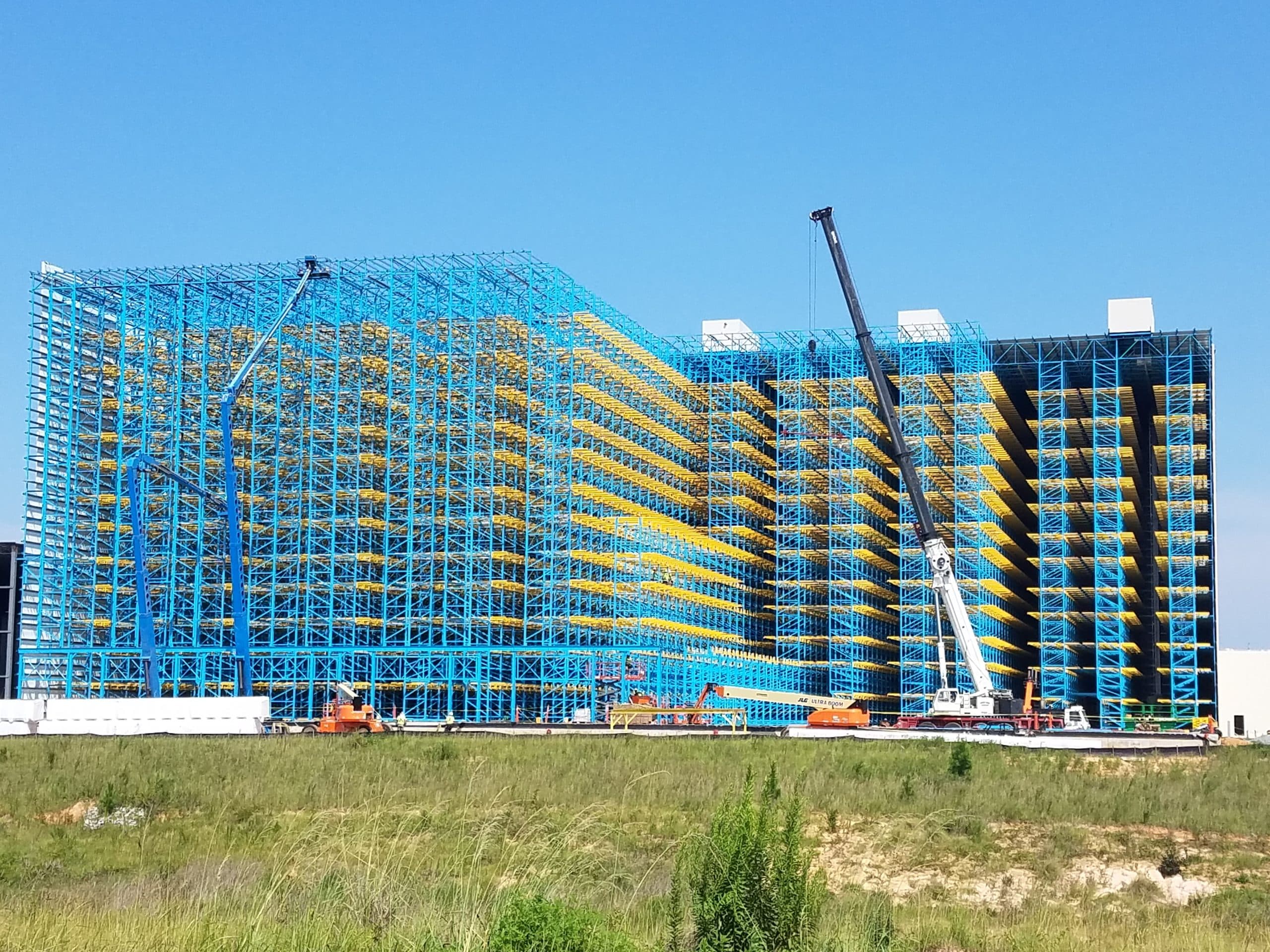
Why Leading Norwegian Importers Choose Our Structural Solutions
With over five decades of specialized steel fabrication and structural storage engineering, we engineer, fabricate, and finish push back and high-density rack systems with unmatched metallurgical integrity. Unlike standard light-gauge roll-formers, our manufacturing capabilities encompass both hot-rolled structural steel channels and high-torsion closed tubular uprights.
- Structural C-Channel SK3000 Prowess: Hot-rolled ASTM/EN steel channel members provide exceptional resistance against forklift collisions in harsh, high-velocity aisles.
- Closed Tubular Uprights (SK2000): Provides 44 times greater torsional resistance than conventional open-back column profiles, preventing twist and buckling.
- Strict Compliance Documentation: Complete structural calculation packages conforming to NS-EN 15512, Eurocode 3, and RMI standards to streamline Norwegian local building approvals (Plan- og bygningsetaten).
- Direct Sea Freight Logistics: Specialized break-bulk and 40ft container export packaging direct to Port of Oslo, Larvik, and Brevik with zero transit damage.
Norwegian Buyer’s Technical Verification Checklist
Critical structural, environmental, and regulatory checkpoints before issuing a purchase order for push back racking.
| Verification Area | Norwegian Engineering Requirement | Evaluation Method & Acceptance Criteria |
|---|---|---|
| Concrete Slab Loading | Point loads & slab punching shear validation | Structural slab analysis confirming capacity for concentrated baseplate loads exceeding 90 to 140 kN per leg in 5-deep configurations. |
| Pallet Quality & Deflection | EUR-1 (800×1200 mm) & Sea Pallets (1000×1200 mm) | Ensure nested cart frame widths support standard bottom skids without bottom board deflection exceeding L/200 under maximum rated load. |
| Fire Sprinkler Geometry | Flue space compliance (TEK17 & FG regulations) | Maintain minimum 150 mm transverse and longitudinal flue spaces between back-to-back push back runs for ceiling/in-rack ESFR sprinkler penetration. |
| Floor Incline & Levelness | DIN 18202 / EN 15620 Table 4 classifications | Verification that warehouse floor slab levelness tolerances prevent unexpected cart speed acceleration or deceleration along the 3% incline. |
| Forklift Mast Clearance | Mast tilt & overhead clearance limits | Ensuring clear height under beam accounts for dynamic upward push motion when forklift operators disengage front pallets on top tiers. |
Frequently Asked Questions by Norwegian Warehouse Managers
In-depth engineering answers addressing standards, sub-zero operations, custom tariffs, and system retrofits.
What are the key differences between nested cart and roller-bed push back systems for cold storage?
How does Norwegian building regulation TEK17 impact push back rack engineering?
What import duties and documentation apply when importing industrial racking into Norway?
Can a push back rack system accommodate both EUR-1 and ISO / industrial marine pallets?
What type of forklift truck is required to operate a 4-deep or 5-deep push back system?
How often do push back carts and roller assemblies require maintenance in cold facilities?
Ready to Optimize Your Norwegian Warehouse Footprint?
Consult with our senior logistics engineers today. We provide full AutoCAD 3D warehouse layout design, structural load calculation reports under NS-EN 15512, and factory-direct export quotes delivered directly to your project site in Norway.
Get Catalog