Engineered Structural & High-Density Racking Systems
Precision fabricated industrial racks engineered to withstand severe forklift impacts, seismic factors, high humidity, and intensive multi-shift cycle rates across Hanoi, Bac Ninh, and Hai Phong distribution hubs.
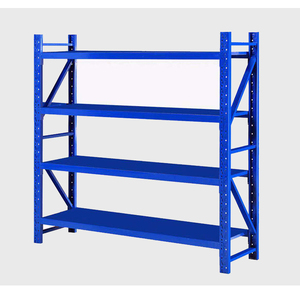
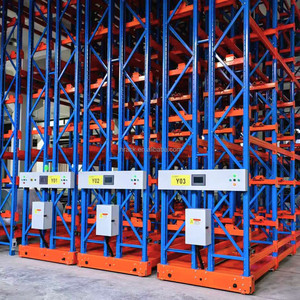
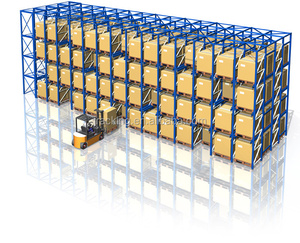
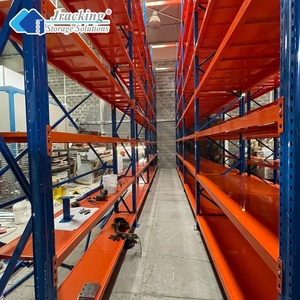
White Paper: Engineering Structural Pallet Racking for Hanoi's Industrial Corridor
The rapid emergence of Northern Vietnam—anchored by the greater Hanoi Capital Region, Bac Ninh, Hai Phong, Vinh Phuc, and Hung Yen—as a primary global hub for high-technology manufacturing, consumer electronics assembly, and cold chain distribution has exposed severe operational vulnerabilities in conventional warehouse racking configurations. For multinational plant operators, third-party logistics (3PL) conglomerates, and state-backed manufacturing enterprises, selecting an experienced structural racking exporter is no longer merely a commercial purchasing decision; it represents a mission-critical structural engineering requirement.
Unlike benign inland logistics centers in North America or Central Europe, distribution facilities situated throughout the Red River Delta face unique environmental, physical, and seismic strains. The combination of intense monsoonal relative humidity (regularly exceeding 90% during the seasonal *nồm* phenomenon), alluvial soil conditions that dictate stringent slab deflection tolerances, and round-the-clock intensive forklift operations requires storage infrastructure built from heavy-duty hot-rolled structural steel channels rather than light-gauge, cold-rolled sheet metal. Structural racking engineered according to ANSI MH16.1 specifications and manufactured under rigorous metallurgical oversight provides the foundational rigidity demanded by the modern Vietnamese supply chain.
Localized Industrial Applications Across the Greater Hanoi Region
Custom structural racking profiles adapted to the explicit operational, environmental, and thermal requirements of Northern Vietnam's major industrial zones.
Electronics & Semiconductor Clean Hubs (Bac Ninh / Yen Phong)
Tier-1 electronics manufacturers in Yen Phong, Que Vo, and VSIP Bac Ninh require structural pallet racks with ultra-tight manufacturing tolerances, anti-static electrostatic dissipative (ESD) powder finishes, and seamless integration with Automated Storage and Retrieval Systems (AS/RS).
- Zero-deflection beam configurations for robotic picking
- Reinforced upright footplates distributing load over pile-supported slabs
- Seismic bracings engineered against Red River alluvial settling
Sub-Zero Cold Chain & Food Logistics (Noi Bai & Hai Phong Axis)
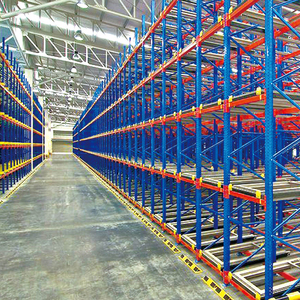
Temperature-controlled distribution centers supporting agricultural exports and perishable imports near Noi Bai International Airport and Hai Phong Port require drive-in, pushback, and mobile racking that eliminate structural embrittlement at -28°C.
- Hot-dip galvanized (HDG) steel components according to ISO 1461
- Solid hot-rolled C-channels impervious to ice-pack condensation
- Drive-In and high-density Pushback configurations maximizing refrigeration space
Heavy Automotive & Machinery Spares (Vinh Phuc & Ha Nam)
Automotive fabrication plants and industrial machinery depots handling concentrated point loads require high-capacity structural racking capable of supporting stamping dies, coil containers, and engine blocks exceeding 3,000 kg per pallet position.
- Grade 5 heavy bolted beam-to-frame locking connections
- Structural I-beam cantilever systems for raw metal tubing and extrusions
- Integrated wrap-around column protectors for high-speed reach trucks
Engineering Benchmark: Structural Hot-Rolled Channel vs. Roll-Formed Steel
Industrial procurement officers in the Hanoi market are often presented with roll-formed (open-back teardrop or slotted) racking as a lower-cost alternative. While roll-formed steel suffices for light retail stocking, heavy-duty logistics facilities in Northern Vietnam require the structural stability and impact resistance of hot-rolled structural steel channels. The matrix below outlines critical mechanical and operational distinctions:
| Performance Characteristic | Structural Hot-Rolled Channel (SK3000®) | Standard Cold-Formed Roll-Formed Steel | Hanoi Operational Implication |
|---|---|---|---|
| Steel Standard & Yield Strength | ASTM A36 / Q355B (Yield ≥ 36,000–50,000 PSI) | Commercial Light Gauge Steel (Q235B) | Prevents frame buckling under heavy pallet point loading |
| Corner Flange Thickness | 5.0 mm to 8.0 mm solid structural channel | 1.5 mm to 2.5 mm thin stamped gauge | High Impact Immunity against counterbalanced forklift forks |
| Beam-to-Column Connection | High-tensile Grade 5 structural bolts (2-4 per joint) | Slotted tabs / gravity teardrop locking pins | Zero dislodgement risk; rigid seismic frame moment transfer |
| Corrosion & Humidity Resilience | Thick walls + 80μm epoxy powder or hot-dip galvanizing | Thin roll-formed section prone to internal rusting | Monsoon-Proof; avoids internal structural oxidation in humid summers |
| Freezer Application Resilience | High Charpy V-notch toughness down to -30°C | Prone to cold-temperature brittleness & fatigue cracking | Essential for seafood and pharmaceutical storage hubs |
| Lifecycle Ownership Cost (10-Yr) | Virtually zero frame replacement or downtime costs | Frequent upright damage, column repair kits, safety shutdowns | Roll-formed yields 40% higher TCO over prolonged duty cycles |
Macro Trends Driving Structural Storage Adoption in Hanoi
The industrial real estate landscape in Northern Vietnam is undergoing an aggressive structural pivot driven by macroeconomic catalysts:
Surging Industrial Land Lease Premiums
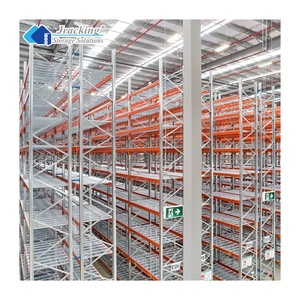
With industrial land lease prices in Bac Ninh, Hung Yen, and Hanoi ring roads appreciating rapidly, developers are forced to optimize vertical ceiling heights up to 14–24 meters. High-bay structural racking provides the column load rigidity necessary to execute narrow-aisle (VNA) and multi-tier systems without building column interference.
Stricter Fire Prevention Codes (TCVN 7336:2021)
Vietnam's revised fire safety regulations for industrial warehouses require rigorous in-rack sprinkler integration, horizontal flue spaces, and structural steel integrity under fire load conditions. Engineered structural systems allow welded or bolted cross-aisle conduit routing without compromising beam load certifications.
Transition Toward Supply Chain Automation
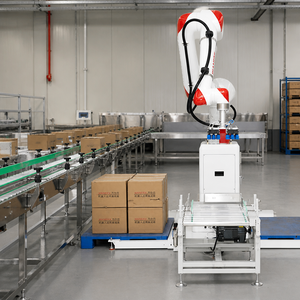
As logistics wages increase and operational tempo quickens, multinational facilities are retrofitting existing manual warehouses with automated mobile racking, radio shuttle carts, and conveyor systems. Structural channel frames provide the deflection tolerances required by automated guidance lasers.
Why Global Contractors Partner with Our Structural Racking Export Group
As an established manufacturing authority with over 50 years of rack engineering history, we provide international EPC contractors, local Vietnamese logistics developers, and foreign direct investment (FDI) enterprises with complete single-source structural accountability:
Complete Single-Source In-House Fabrication
We do not outsource critical cold or hot-rolled steel profile processing. From mill-certified American and international steel coil and channel stock to robotic punching, automated submerged arc welding, and multi-stage powder finishing, every component is manufactured within our own facilities under ISO 9001 and AWS welding certifications.
This vertical integration ensures that every beam and upright exported to Hanoi precisely mirrors our stamped calculations, preventing site erection delays caused by mismatching third-party components.
ANSI MH16.1 & Seismic Design Calculations
Every racking system engineered for the Vietnamese territory receives comprehensive site-specific structural verification. Our licensed structural engineering teams calculate wind uplift (for rack-supported warehouses), floor slab capacity, seismic coefficients according to Eurocode 8 / TCVN 9386, and torsional beam deflection limits.
We deliver full PE-stamped documentation packages required by Vietnamese municipal building departments and international insurance underwriters (FM Global / NFPA).
Specialized Export Packaging & Freight Optimization
Structural racking exported to Southeast Asia must survive ocean container shipping without moisture condensation, coating chipping, or component warping. We utilize dedicated steel-strapped bundles with heavy wood dunnage, vapor corrosion inhibitor (VCI) shrink wrap, and sea-freight container packing diagrams.
Direct ocean routing to Hai Phong Port (Dinh Vu, Lach Huyen) ensures minimal dwell time and expedited highway transit straight to warehouse sites along National Route 5A, Hanoi-Hai Phong Expressway, and Ring Road 3.
Local Technical Collaboration & Turnkey Erection Support
Procuring from an overseas manufacturer often raises concerns regarding local installation fidelity. We bridge this gap via our trained network of regional installation partners and field engineers active in Northern Vietnam.
Our engineers provide on-site erection supervision, anchor bolt torque testing, upright plumbness verification, and load capacity plaque installation in full compliance with local regulatory guidelines.
Frequently Asked Questions: Sourcing Structural Racks in Hanoi
Essential engineering and procurement answers for warehouse directors, factory engineers, and supply chain managers.
Initiate Your Structural Storage Engineering Review
Connect directly with our structural racking export engineering group for technical consultation, load calculations, CAD warehouse layout development, and project pricing for the Hanoi industrial market.