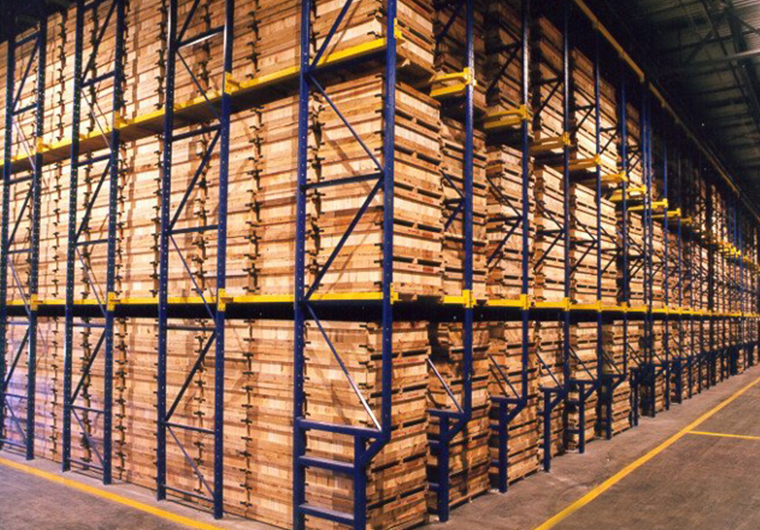
Certified Heavy-Duty Engineering

Top Trusted Heavy Duty Rack Supported Mezzanine Factory & Supplier

Engineered multi-tier structural storage platforms, automated AS/RS building frameworks, and high-density industrial racking compliant with RMI ANSI MH16.1 & AISC standards.

Enterprise Fleet

Featured Heavy Duty Storage & Racking Systems

Precision-machined structural configurations designed to integrate seamlessly into rack-supported platforms, multi-level mezzanines, and high-throughput distribution hubs.

55+
Years of Engineering Excellence
100%
Single-Source In-House Fabrication
300+
PSF Live Load Capacity Certified
RMI / AISC
Seismic & Fire Code Compliance
Technical Whitepaper

Structural Architecture of Rack-Supported Mezzanine Platforms

In modern industrial warehousing, commercial real estate constraints and surging land acquisition costs demand that logistics operators look vertically rather than horizontally. A Heavy Duty Rack Supported Mezzanine represents the pinnacle of spatial efficiency by converting the dead vertical volume above ground storage into fully functional, multi-tier operational real estate. Unlike conventional free-standing structural work platforms that rely solely on dedicated wide-flange I-beam columns, a rack-supported platform utilizes the pallet racking upright frames themselves as the primary vertical load-bearing columns.

This hybrid architectural approach creates an exceptionally rigid, monolithic structural matrix. By engineering heavy-duty cold-formed tubular or hot-rolled structural steel upright frames to carry both standard pallet storage loads and the elevated mezzanine floor framing (incorporating primary bearers, secondary cold-formed C/Z purlins, and industrial composite decking), facilities effectively eliminate duplicate structural framing costs. The result is a dual-purpose logistics asset that delivers double or triple the usable footprint while providing immediate payback in high-throughput fulfillment facilities.

"By utilizing the structural upright system to support elevated catwalks and conveyor decks, enterprise logistics facilities can save up to 40% in total steel expenditure compared to independent structural mezzanines."

Our manufacturing capabilities adhere to rigorous international structural codes, specifically the Rack Manufacturers Institute (RMI ANSI MH16.1), the American Institute of Steel Construction (AISC 360), and the International Building Code (IBC). From initial FEA (Finite Element Analysis) stress modeling to full-scale destructive testing of beam-to-column connections, our engineering team ensures that every platform installation delivers uncompromising stability, verified seismic shear resistance, and structural deflection within strict serviceability tolerances (L/240 to L/360).
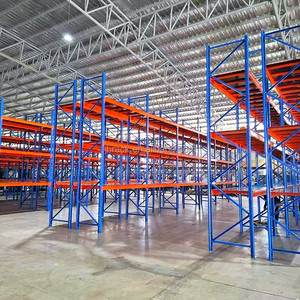
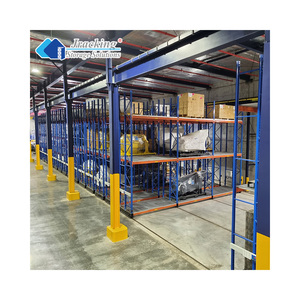
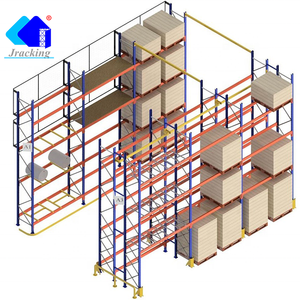
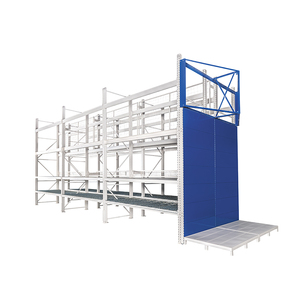
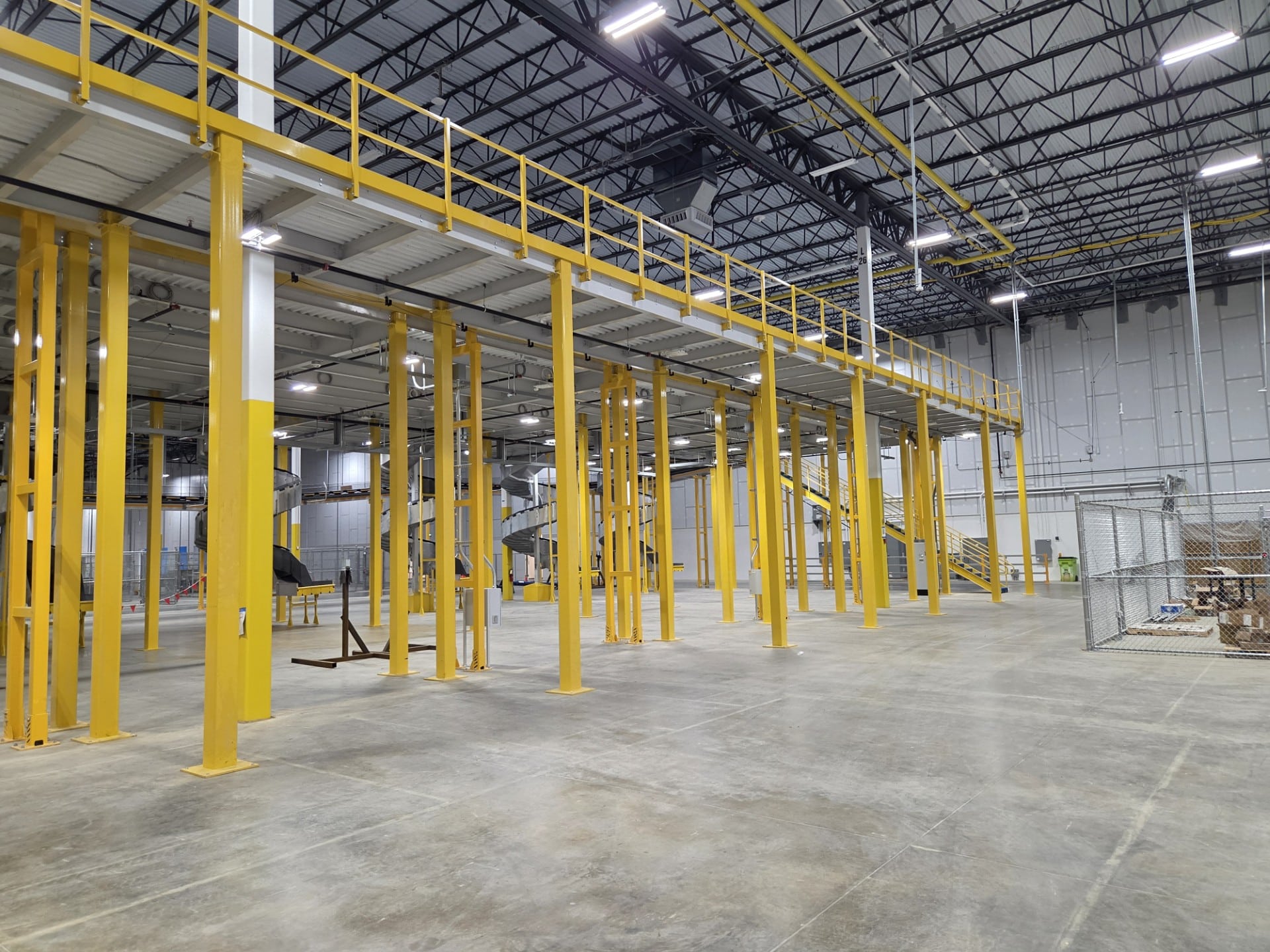
Industrial rack-supported work platform and mezzanine installation
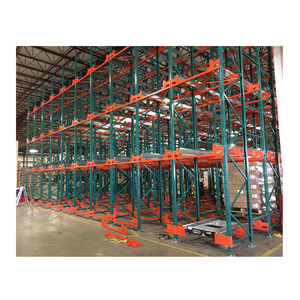
Multi-tier rack-supported pick module engineered with integrated pallet drop gates and fire suppression drops.
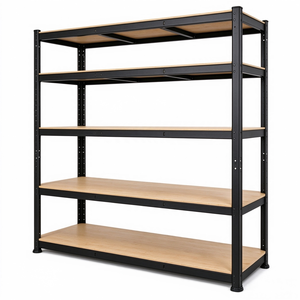
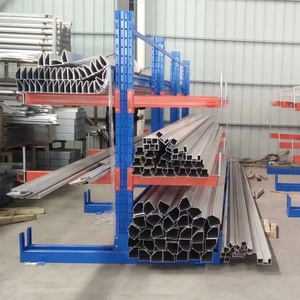
Heavy duty structural racking fabricated in-house
Heavy-duty structural channel fabrication featuring automated robotic welding and high-durability powder coating.
Enterprise Strengths

In-House Manufacturing Prowess & Engineering Accountability

Procuring a multi-tier rack-supported mezzanine from a single-source OEM manufacturer provides unmatched risk mitigation for general contractors, supply chain directors, and enterprise facility engineers. Third-party middlemen and brokers frequently assemble components from disjointed job shops, creating discrepancies in steel tensile strength, hole punching tolerances, and protective finish longevity. In contrast, our company operates purpose-built fabrication facilities equipped with automated CNC roll-forming lines, laser profiling arrays, and dual-pulse robotic welding stations.

Every structural column, box beam, cross aisle tie, and decking joist is traced back to primary mill test reports (MTRs) validating ASTM A572 Grade 50 or ASTM A1011 structural steel certification. Furthermore, our specialized surface preparation incorporates multi-stage iron phosphate pretreatment followed by electrostatic thermo-cured epoxy powder coating. This ensures our mezzanine structures resist abrasion, chemical exposure, and humidity even in severe operating conditions such as cold-storage freezers or chemical warehousing.

The OEM Edge

Why Enterprise Buyers Choose Our Rack-Supported Platforms

Full lifecycle engineering, transparent metallurgical specifications, and turnkey installation support engineered to lower total cost of ownership (TCO).

Structural Dual-Option

Choose between seamless closed-tubular roll-formed steel (SK2000 style) for high torsional strength and swift boltless assembly, or hot-rolled structural steel channels (SK3000 style) offering supreme impact resistance in punishing forklift corridors.

Rigorous Code Verification

All calculations—including horizontal seismic base shear, moment distribution, axial compression, and uplift resistance—are backed by licensed structural engineering PE stamps compliant with IBC 2024 and NFPA 13 life safety codes.

Automation Readiness

Engineered to withstand dynamic vibrational harmonics caused by high-speed spiral chutes, reciprocating lifts, overhead conveyor belts, autonomous mobile robots (AMRs), and automated pallet shuttles operating on the mezzanine surface.

Turnkey Global Supply

Export-ready sea packaging, custom container loading plans, detailed 3D step-by-step assembly diagrams, and localized distributor support guarantee rapid on-site commissioning across North America, Europe, the Middle East, and APAC.

Strategic Sourcing Insights

Future Procurement Trends for Industrial Mezzanines & Racking

Anticipating regulatory updates, supply chain decarbonization, and robotic integration to maximize 10-year platform investment lifespan.

1. Hybrid AMR & Pick-Tower Integration

Procurement teams are shifting from pure manual catwalk racking toward hybrid robotic pick towers. Modern specifications require elevated floor decking engineered with specific surface roughness (Ra values) and electrical grounding to prevent electrostatic discharge (ESD) from interfering with autonomous mobile robots (AMRs).

2. Circular Metallurgy & Low-Carbon Steel

Global carbon border tariffs and corporate ESG mandates are making low-embodied-carbon steel a key selection criterion. Forward-thinking procurement managers now require Electric Arc Furnace (EAF) steel certifications boasting recycled steel content exceeding 75%, along with non-VOC dry powder finishes.

3. Standardized Modular Decommissioning

Lease durations for modern 3PL warehouses continue to shorten. Consequently, buyers demand modular boltless mezzanine connections that allow complete disassembly, cross-facility relocation, and vertical re-expansion without requiring hot work permits or destructive steel cutting.

Engineering Evolution

Technological Innovations in Heavy-Duty Platform Fabrication

From Building Information Modeling (BIM) Level 3 to integrated strain-gauge telemetry, rack-supported mezzanines have transformed into intelligent structural assets.

BIM Digital Twin Coordination

Utilizing high-fidelity Revit and Tekla structural models allows mechanical engineering teams to run automated clash detection against overhead HVAC conduits, in-rack ESFR sprinkler lines, and high-speed sortation conveyors before cold-rolled steel ever enters the forming dies.

IoT Structural Strain Telemetry

Smart mezzanines feature integrated piezoelectric fiber-optic strain sensors installed on critical primary floor girders and corner upright posts. These send live load distribution and structural deflection data directly to warehouse management systems (WMS) to prevent overloading.

Advanced High-Performance Decking

Moving beyond standard tongue-and-groove plywood, modern installations implement heavy-gauge B-deck corrugated steel fluting bonded to high-density composite resin substrates (ResinDek 100/2000 series). These panels withstand continuous 4,000+ lb wheel point loads from automated guided carts.

Engineering Selection Matrix

Comparing Industrial Mezzanine Architectural Systems

A direct technical comparison helping procurement teams specify the correct structural format according to operational density, floor loads, and material handling methods.

System Architecture Vertical Column Type Typical Live Load Spatial Utilization Forklift / AMR Usability Primary Industrial Use Case
Heavy Duty Rack-Supported Mezzanine Dual-Purpose Racking Uprights (Cold-formed / Hot-rolled) 125 – 300 PSF (6.0 – 14.4 kN/m²) Maximum (Dual Storage) Ground: Forklift / Deck: AMR & Carts High-SKU distribution, e-commerce order fulfillment pick towers
Free-Standing Structural Mezzanine Dedicated Wide-Flange I-Beams / H-Columns 150 – 500+ PSF (7.2 – 24+ kN/m²) Moderate (Open Span) Ground: Free Navigation / Deck: Heavy Equip Heavy manufacturing, cleanroom enclosures, breakroom platforms
Multi-Tier Catwalk Racking System Standard High-Rise Racking Frames 60 – 100 PSF (2.8 – 4.8 kN/m²) Very High (Dense Aisles) Manual Walking Only (Hand Carts) Automotive spare parts, apparel sorting, archival document depositories
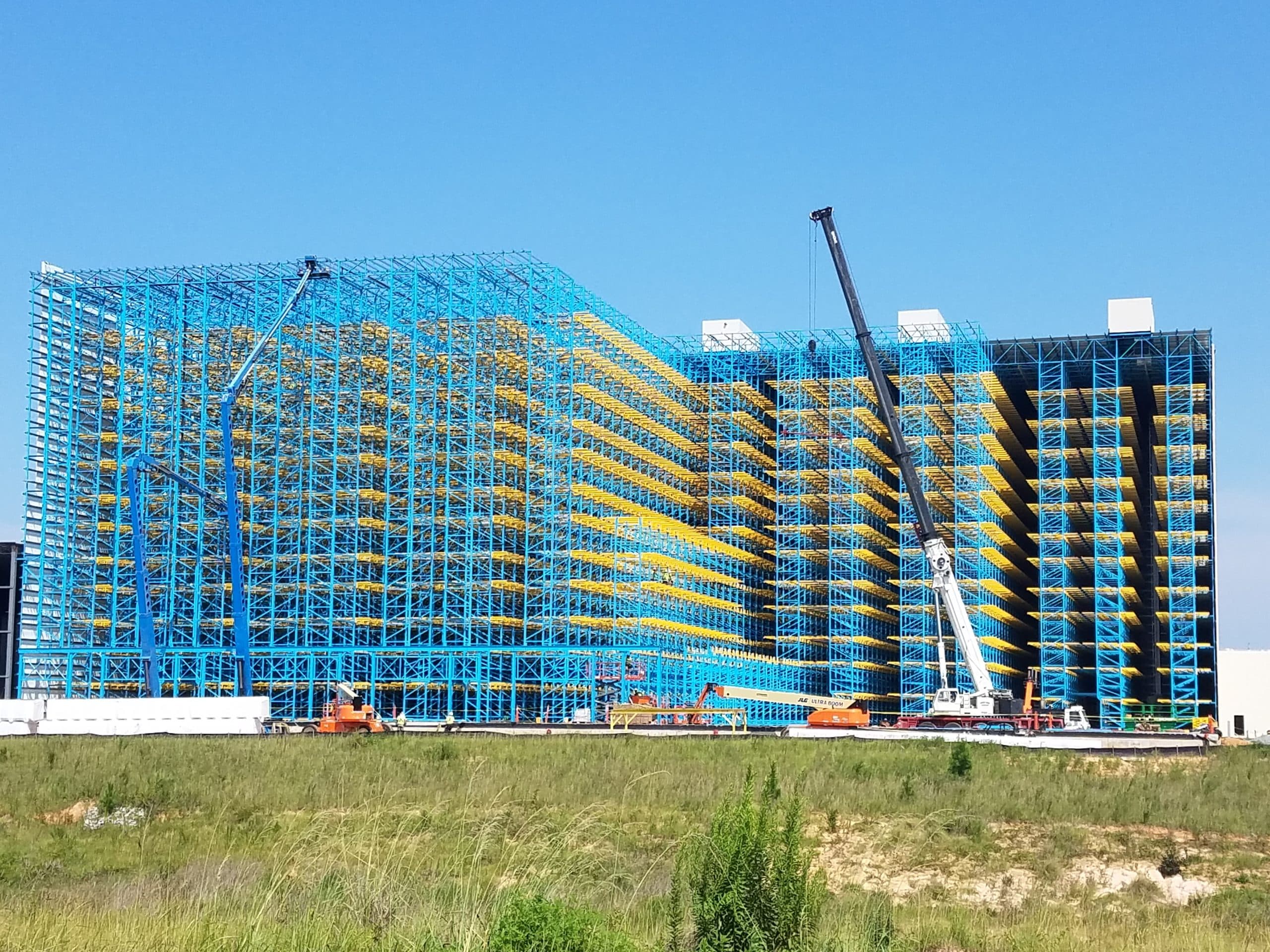
AS/RS Rack-Supported High-Bay Building Integrated Structural Framing System Engineered Crane / Pallet Loads 100% Automated Vertical Stacker Cranes / Shuttles Only Fully automated distribution, cold storage freezers, dark logistics centers
Procurement Due Diligence

Enterprise RFQ Engineering Checklist

Before issuing a formal Request for Quotation (RFQ) for an industrial rack-supported mezzanine, facility directors and civil engineers must compile specific geotechnical and operational data. Supplying accurate baseline metrics eliminates expensive mid-project engineering change orders (ECOs) and prevents permitting delays with local building and fire departments.

Concrete Slab Core Data: Existing slab depth (typically 6"–10"), reinforcement mesh/rebar specs, and concrete compressive strength (minimum 3,000 to 4,000 PSI).
Clear Eaves Height: Total vertical clearance measured from the finished floor level (FFL) to the lowest building obstruction (HVAC, joists, or crane runways).
Seismic Design Category (SDC): Site-specific seismic factors (A through F) determined by USGS spectral response accelerations ($S_s$ and $S_1$).
Fire Suppression Strategy: Existing sprinkler riser capacity and requirements for drop-down in-rack sprinkler heads per NFPA 13 rules.
Structural racking system load bearing engineering
Engineered baseplates and floor anchor arrays engineered to distribute vertical column loads across industrial slabs.
Procurement FAQ

Frequently Asked Technical Questions

Authoritative guidance on code compliance, structural load limits, seismic engineering, and fire code safety.

How does a rack-supported mezzanine impact our building's concrete slab foundation?
Because a rack-supported mezzanine uses multiple pallet rack upright columns to carry vertical deck loads, the overall weight is distributed across dozens of baseplates rather than concentrated onto a few massive columns (as seen with free-standing wide-flange mezzanines). This significantly reduces isolated punch-shear stresses. In most standard installations with 6-inch 3,500 PSI reinforced concrete slabs, our engineers use custom oversize, laser-cut baseplates to keep soil bearing pressure and slab stresses well within safe working limits without requiring expensive excavated concrete footings.
What design codes govern rack-supported mezzanine manufacturing and safety?
Our systems are engineered and fabricated to meet RMI ANSI MH16.1 (Specification for the Design, Testing and Utilization of Industrial Steel Storage Racks), AISC 360 (Specification for Structural Steel Buildings), AISI S100 (North American Specification for the Design of Cold-Formed Steel Structural Members), and the International Building Code (IBC 2024 Chapter 10 for stairs, guardrails, and emergency egress). OSHA 1910.28/29 fall protection rules govern top-rail, mid-rail, and 4-inch toe-board heights.
What flooring decking materials are recommended for elevated mezzanine tiers?
Floor decking depends entirely on your material handling equipment: 1. B-Deck Fluting + ResinDek Panels: Ideal for heavy rolling loads, manual carts, and robotic AMRs. Offers quiet rolling, high wheel point-load capacity, and a 10-year surface warranty. 2. Heavy-Duty Open Steel Bar Grating: Preferred by fire marshals because it allows light, airflow, and sprinkler water to penetrate to lower levels, frequently avoiding the need for dedicated under-deck sprinkler pipes. 3. Steel Diamond Checker Plate: Extremely durable, spark-resistant, and non-combustible; optimal for heavy tooling, die storage, or maintenance walkways.
How is fire suppression handled on multi-tier rack-supported platforms?
Per NFPA 13 standards, if solid mezzanine decking (such as steel deck with composite wood or ResinDek) spans wider than 4 feet across aisles, ceiling-level sprinkler water cannot effectively reach the ground storage levels. In these configurations, our engineering team designs dedicated pass-through openings in the rack upright bracing and shelf beams to integrate secondary in-rack sprinkler pipe drops, ensuring complete suppression coverage above and below every platform deck.
What is the difference between hot-rolled structural steel and cold-formed tubular rack frames?
Hot-rolled structural steel (C-channel uprights like SK3000) features thick flanges and structural bolted connections, providing exceptional impact resistance against heavy forklift collisions—making it ideal for exterior bays and high-traffic ground channels. Cold-formed closed tubular steel (like SK2000) delivers higher torsional rigidity pound-for-pound, perfectly square edges, and fast, tool-free boltless teardrop or rivet connections that slash field installation labor costs while maintaining high axial load ratings.
Can our rack-supported mezzanine be reconfigured or expanded later?
Yes. Our modular design philosophy utilizes standardized shelf-beam connector clips, pre-punched beam seats, and modular floor joist brackets. If your warehouse SKU profile changes or order fulfillment volume doubles, our engineers can seamlessly extend your platform laterally, add catwalk tiers upward (provided overhead clear height allows), or integrate gravity carton flow tracks and spiral chutes with zero structural destruction.

Engineer Your Facility's Vertical Expansion Today

Connect directly with our senior structural engineering team. We provide complete site-specific 3D layout drawings, finite element load capacity calculations, and factory-direct pricing for your heavy-duty rack-supported mezzanine project.

Get a Quote