Engineered Industrial Racking Systems Portfolio
Precision-fabricated warehouse racking components, structural systems, and automated dynamic solutions built for high-throughput fulfillment hubs and extreme load reliability.
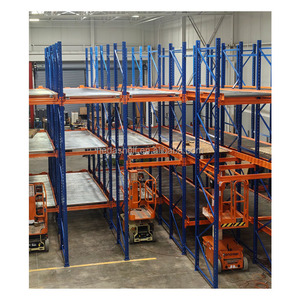
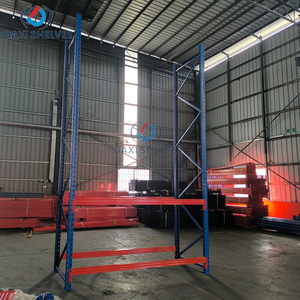
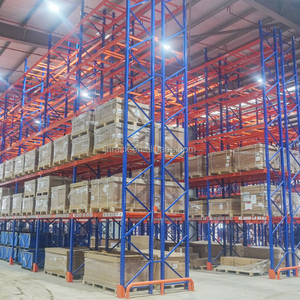
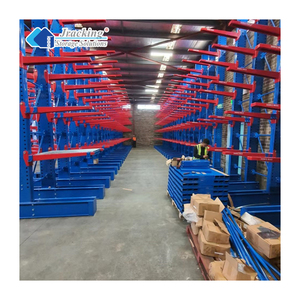
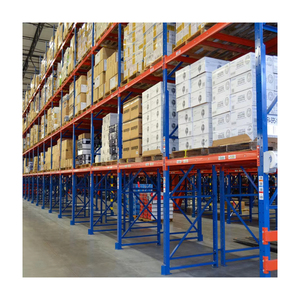
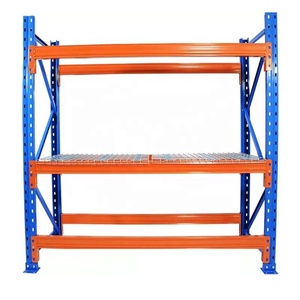
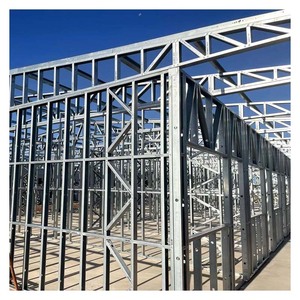
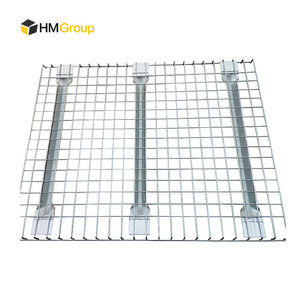
Engineering Architecture of Selective Pallet Racking
A rigorous industrial perspective on structural capacity, cold-formed tubular columns, and beam deflection parameters.
Selective pallet racking represents the foundational architecture of global unit-load material handling. Characterized by 100% direct SKU accessibility and unbounded logistical adaptability, selective systems accommodate fast-moving consumer goods (FMCG), cold storage hubs, 3PL distribution networks, and heavy machinery parts depots. Unlike high-density compact configurations (such as drive-in or deep-lane shuttle racks), a selective framework empowers standard counterbalance, reach, and narrow-aisle (VNA) lift trucks to instantly position or retrieve any single pallet without relocating adjacent inventory.
From an OEM/ODM manufacturing perspective, industrial selective racking is far more than upright frames and horizontal load beams. It is an elastoplastic structural system subject to dynamic live forces, forklift impact shears, seismic base moments, and cyclic beam deflections. Structural integrity starts at metallurgical sourcing: utilizing premium certified structural steel (such as hot-rolled channel sections or micro-alloyed cold-formed Q235B/Q355B coils) ensures strict compliance with ANSI MH16.1 (Specification for the Design, Testing and Utilization of Industrial Steel Storage Racks), RMI guidelines, and European Standard EN 15512.
Upright column integrity relies heavily on profile geometry. Closed-tube tubular profiles and continuously roll-formed omega columns utilize multiple return flanges, drastically elevating the torsional constant and critical buckling threshold. Cross and diagonal bracing angles are computer-positioned to resist transverse overturning loads, while high-tensile connection tabs featuring precision locking pins prevent beam disengagement under sudden vertical uplift caused by operator handling misalignments.
| Structural Component | Standard Specification | Heavy-Duty OEM Custom Option | Compliance Standard |
|---|---|---|---|
| Upright Columns | 80×60 / 90×70 / 100×70 mm (1.8–2.0 mm) | 120×95 / 140×100 mm Structural C-Channel (up to 3.5 mm) | RMI / ANSI MH16.1, EN 15512 |
| Load Box Beams | 80×50 to 140×50 mm Dual-C Interlocking Beam | 160×50 to 180×50 mm Step/Box Beam (3–4 Hook Connectors) | Deflection ≤ L/180; DIN 18800 |
| Baseplate Anchors | Standard 120×120×4 mm with M12 Chemical Bolts | Reinforced Seismic 180×160×8 mm with M16 Anchor Rods | Seismic Zone 1–4 Structural Calculations |
| Surface Protective Finish | Thermosetting Epoxy Polyester Powder (60-80μm) | Hot-Dip Galvanized (≥85μm) for Sub-Zero / Corrosive Sites | ISO 12944 C3/C4/C5 Corrosion Protection |
| Safety Decking | Standard 50×100 mm Flared Channel Wire Decking | Solid Steel Panels, Hat-Section Support Bars, Drop-in Pans | NFPA 13 Fire Sprinkler Permeability |
Why Partner With Our OEM/ODM Manufacturing Infrastructure
Vertically integrated production, certified robotic welding processes, and worldwide logistical fulfillment.
High-Precision Roll-Forming Lines
Continuous CNC-controlled roll-forming mills produce upright sections and step beams with tight dimensional tolerances (±0.5 mm), guaranteeing effortless interlock assembly across thousands of pallet bays.
Automated Robotic Welding Systems
Beam end connectors and heavy base plates are fused using multi-axis Panasonic welding robots, assuring continuous throat depth, complete root penetration, and zero structural embrittlement.
Environmentally Controlled Coating
A multi-stage chemical pretreatment bath followed by Swiss Gema electrostatic powder coat lines yields scratch-proof, anti-peel finishes capable of enduring 500+ hours of neutral salt spray testing.
End-to-End Engineering Support
In-house certified structural engineers leverage FEA stress simulations and BIM modeling to generate comprehensive project drawings, load capacity charts, and stamped seismic calculations.
Global Knock-Down Shipping Protocol
Engineered bundle strapping, edge armor protection, and optimized container nesting ensure that overseas freight volumes are maximized while preventing transit abrasions and beam warping.
Modular Reconfigurability
Standard 50 mm, 75 mm, or 76.2 mm pitch beam adjustments enable facilities to rapidly adapt vertical aperture openings as product packaging profiles and unit load heights change.
Future Procurement Trends in Heavy-Duty Warehousing
Emerging logistics dynamics shaping racking specifications over the next decade.
1. Convergence with Autonomous Mobile Robots (AMRs) and Automated Shuttles: Conventional selective racking is no longer strictly operated by human-driven forklifts. Modern distribution centers are retrofitting standard selective runs with lower-level guide channels, optical barcodes, and 4-way pallet shuttle rails. Upright bases now require heightened laser-cutting accuracy (±0.2 mm) and increased anchorage pull-out reserves to accommodate the dynamic wheel frequencies of automated load carriers.
2. Cold Chain Expansion and Hot-Dip Galvanization (HDG): Driven by pharmaceutical mandates and global frozen protein shipping, high-humidity, sub-zero warehouse conditions (-25°C to -30°C) degrade standard powder coatings rapidly over time. OEM procurement is transitioning directly toward structural hot-dip galvanized racking, where zinc-iron alloy layers provide metallurgical cathodic protection that will not chip or crack under severe thermal contraction.
3. Resilience Engineering and Enhanced Impact Protection: Global safety compliance bodies (such as OSHA in North America and FEM across the EU) have magnified scrutiny on upright column damage. Specifiers are requiring integrated heavy structural channel upright inserts (bull-noses), wrap-around polymer guardrails, and heavy-gauge aisle-end shields directly into the primary manufacturer bill of materials (BOM), rather than treating them as secondary aftermarket add-ons.
4. Lifecycle Carbon Auditing and Traceable Metallurgy: Tier-1 international contractors increasingly mandate Environmental Product Declarations (EPDs) and steel heat-number chemical traceability. OEM manufacturers that utilize secondary scrap-fed electric arc furnace (EAF) steel and zero-effluent powder coat reclamation systems hold significant strategic advantages in institutional warehouse build tenders.
Frequently Asked Technical & Sourcing Questions (FAQ)
Direct answers from our senior application engineering team on selective rack engineering, floor slabs, and procurement.
What specific data is required to engineer an OEM selective pallet racking layout?
How does beam deflection criteria impact pallet loading safety?
Can standard selective pallet racking be upgraded into a very narrow aisle (VNA) system?
What is the operational difference between roll-formed and structural channel pallet racks?
How do you ensure fire safety compliance with wire mesh decking on selective frames?
Accelerate Your Warehouse Capacity With Direct Factory Engineering
Whether you require standard roll-formed selective components, seismic-rated cold storage frames, or complete turnkey OEM/ODM architectural layouts, our structural team is available to assist.
Get a Quote