Featured Heavy-Duty Logistics Systems
Export-compliant industrial warehousing infrastructure engineered to optimize floor capacity, withstand seismic shear, and streamline automation throughput.
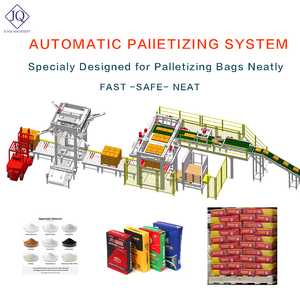
High Speed Palletizer Automatic Palletizing Line System 1200/1800 Bags Per Hour
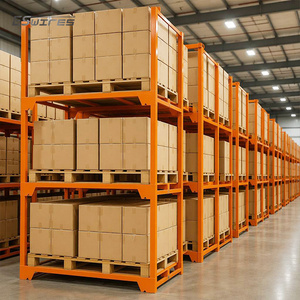
Heavy Duty Warehouse Industrial Storage Nestainer Metal Portable Stacking Racks
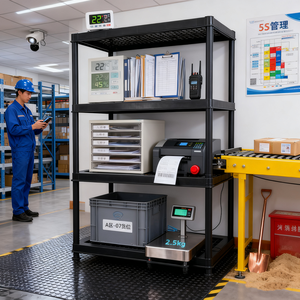
BLACK24 910*610*1350mm 4-Tier Multi-purpose Modular Rack Storage Shelf
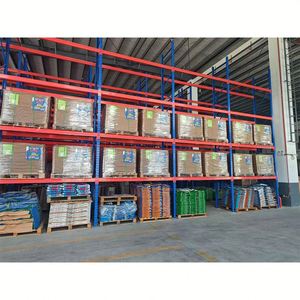
High Bay Heavy Duty Steel Pallet Racking System Industrial Storage Shelving
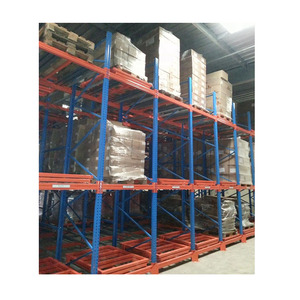
Heavy Duty Push Back Pallet Rack Customized Adjustable Storage System
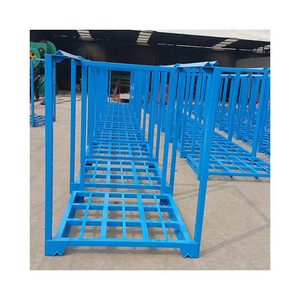
Heavy-Duty 4-Way Industrial Metal Palletainer Powder Coated Stackable Units
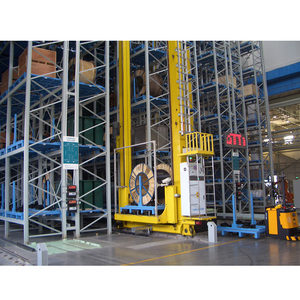
Modern Storage Management Heavy Duty AS/RS Automated Pallet Racking System
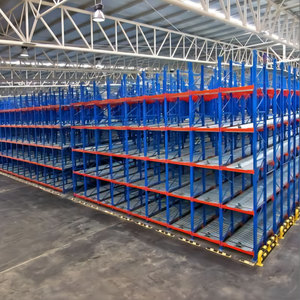
Durable Heavy Duty Adjustable Steel Gravity Flow Racking Warehouse Roller Shelf
Navigating the "2024 Problem" with Cubic Density Storage
The implementation of Japan's revised Labor Standards Act—widely designated in supply chain management as the "2024 Problem" (2024年問題)—has permanently capped annual overtime for commercial truck drivers at 960 hours. This regulatory milestone directly slashed long-haul transport capacity across Japan by approximately 14% to 34% depending on provincial transit corridors (such as the Tokaido and Sanyo trunk routes).
To prevent nationwide distribution bottlenecks, major Japanese 3PL providers, e-commerce giants, and cold chain operators are forced to restructure network topography. Companies are shifting from decentralized, low-bay cross-docking facilities to highly consolidated, multi-tenant mega logistics centers (先進的物流施設) concentrated along Tokyo Bay (Ariake, Shinagawa, Ichikawa), Osaka Bay (Nanko, Maishima), and Chubu industrial axes.
Because industrial land acquisition costs in primary Japanese urban zones exceed ¥450,000 to ¥700,000 per tsubo (3.3 m²), warehouse operators cannot expand building footprints outward. The only viable path to operational survival is vertical cubic density: maximizing clear ceiling heights (5.5 m to over 12 m) through heavy-duty teardrop pallet racks, structural boltless pushback arrays, and automated AS/RS stacker systems compatible with standardized Japanese material handling fleets.
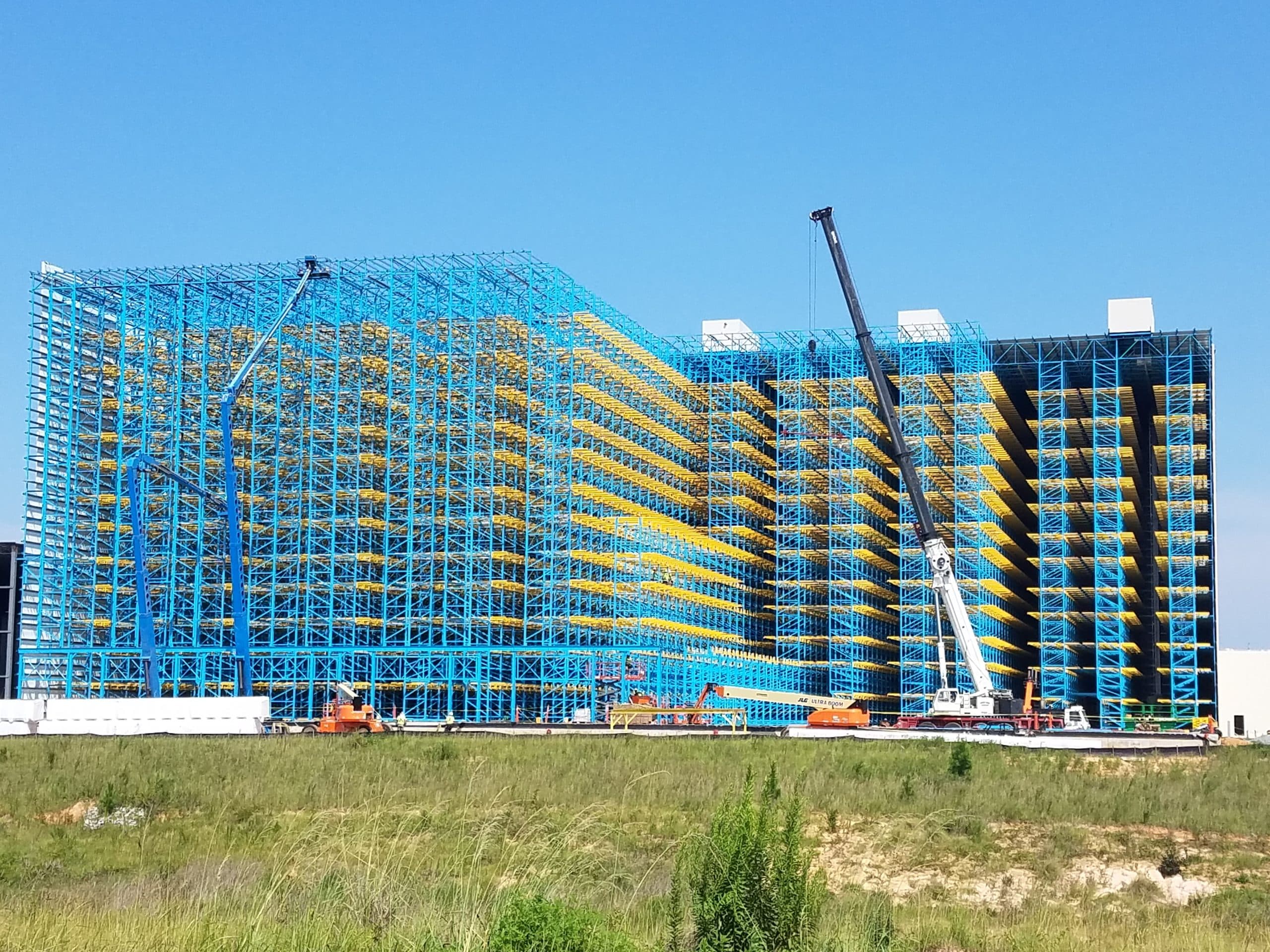
Japanese Building Standards Act & Seismic Design Criteria
How our engineered teardrop and structural pallet racking systems surpass the stringent requirements of the Building Standards Act (建築基準法) and JIS standards.
SK2000 Closed Tubular Uprights
Conventional teardrop racking uses open-back roll-formed columns that twist and buckle under torsional cyclic strain during prolonged earthquakes. Our patented closed tubular column profile delivers 250% higher torsional rigidity and 44 times greater resistance to rotational frame displacement under seismic base excitation.
JIS T-11 Pallet Compatibility
While American distribution centers standardize on 48×40-inch pallets and European sites deploy 1200×800 mm Euro pallets, Japan operates predominantly on the JIS Z 0601 T-11 standard pallet (1,100 mm × 1,100 mm). Our beam profiles (typically 2,300 mm clear spans for 2-pallet bays or 3,400 mm for 3-pallet bays) ensure zero frame overhang and perfect load center balancing.
Seismic Anchorage & Baseplates
Japanese local building officials require strict compliance with Article 20 of the Building Standards Act. We engineer oversized seismic footplates (up to 12 mm thickness) secured by heavy-duty Hilti or mechanical anchor bolts with calculated embedment depths, ensuring complete ductile failure prevention even in ground acceleration exceeding 0.6G.
| Racking Architecture | Structural Profile | Seismic Resistance (G-Rating) | JIS T-11 Suitability | Impact Abuse Protection | Recommended Japan Facility |
|---|---|---|---|---|---|
| Tubular Teardrop (SK2000) | Closed Square Structural Tube | High (0.50G - 0.65G) | 100% Direct Match | High (Torsional absorption) | E-Commerce, FMCG, 3PL Fulfillment |
| Hot-Rolled Structural (SK3000) | C-Channel Structural Steel | Extreme (>0.70G) | 100% Direct Match | Maximum (Heavy Reach Trucks) | Cold Storage, Heavy Machinery, Ports |
| Pushback Multi-Cart | Tubular Beam + Structural Rail | Medium-High (0.45G) | Deep Nesting Cart Engineered | High (Enclosed Track) | High-Density Regional Hubs, LIFO |
| Automated AS/RS Structure | High-Tolerance Tubular Uprights | Engineered Spec (Building Code) | Automated Lug Alignment | Enclosed Stacker Crane Zone | 24/7 Unmanned Logistics Megahubs |
| Heavy Duty Nestainer | Formed Square Pipe Framing | Dynamic Nesting Self-Dampening | Modular 1100x1100 Stacking | High (Transportable steel unit) | Seasonal Overflow, Leased Floor space |
Localized Applications Across Japan's Industrial Prefectures
Tailoring structural storage engineering to regional soil dynamics, temperature zones, and industry-specific supply chains.
Tokyo Bay E-Commerce Logistics
Installed inside 6-story ramp-up multi-tenant warehouses in Koto-ku, Shinagawa, and Chiba. High-throughput teardrop selective racks paired with pick-to-light mezzanines provide maximum SKU selectivity for same-day delivery throughout the Kanto metropolitan region.
Hokkaido & Tohoku Cold Chain
Operated in sub-zero freezer terminals (-25°C to -30°C) for seafood preservation in Hakodate and agricultural cold storage in Sapporo. Our hot-rolled structural C-channel steel resists low-temperature embrittlement, ensuring ductile load-bearing integrity.
Aichi Automotive Tier-1 Hubs
Serving Toyota City and Nagoya port automotive suppliers with specialized nestainers, heavy-duty palletainers, and high-capacity pushback racks for heavy metal stamping dies, engine sub-assemblies, and just-in-time (JIT) sequence sequencing.
Hanshin Chemical & Pharma Facilities
Deploying hazardous-materials compliant drive-in and gravity pallet flow racking in Kobe and Osaka Nanko chemical bonded warehouses. Integrated anti-drop safety netting, beam safety locks, and automatic fire-suppression clearance channels protect high-value stock.
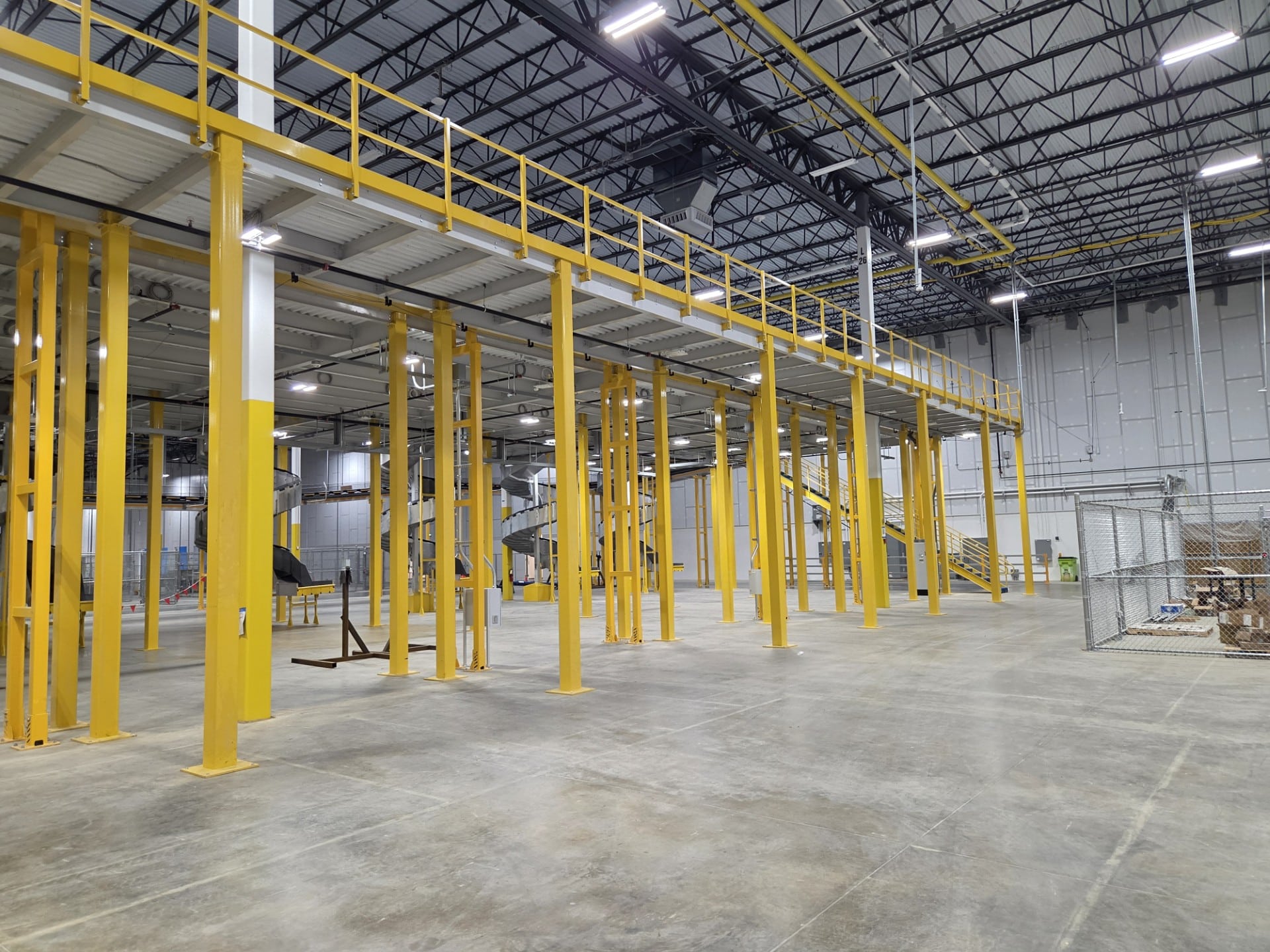
Why Japanese General Contractors & 3PLs Rely On Our Engineering
Sourcing structural racking for Japan requires rigorous engineering accountability that goes far beyond standard trading company catalogs. As a recognized single-source manufacturer with more than 55 years of continuous industrial steel fabrication, our facilities integrate computer-aided layout modeling, automatic robotic welding, and automated powder-coating lines under strict ISO 9001 and AWS structural welding codes.
From Architectural CAD to Load-Ready Signoff
Our 4-step engineering protocol guarantees seamless regulatory approval and trouble-free installation across Japan.
Site & Pallet Audit
We analyze slab thickness, concrete compressive strength (Fc ≥ 21 N/mm²), warehouse column spacing, clear height to sprinklers, and handling fleet turning radiuses.
Seismic Modeling & CAD
Calculation of horizontal seismic coefficient (Kh) based on building zone (Kanto/Kansai/Tohoku) and generation of detailed structural layout drawings for local building permit review.
In-House Precision Fab
Roll-forming of closed tubular columns, laser cut teardrop perforations, automated beam welding, and durable electro-deposited thermoset powder coating.
Port Delivery & Erection
Customs documentation clearance, ocean container transshipment, step-by-step Japanese erection schematics, and anchor torque proof inspection.
Frequently Asked Questions by Japanese Warehouse Directors
Direct answers concerning Japanese regulatory certifications, pallet standardization, logistics lead times, and structural safety.
How do your teardrop pallet racks comply with Japan's Building Standards Act (建築基準法)?
In Japan, industrial pallet racks exceeding specific height thresholds or permanently anchored to building foundations must satisfy the structural calculation protocols outlined in the Building Standards Act Article 20. We provide full structural calculation packages, including Horizontal Seismic Force (Kh) evaluations, anchor pull-out shear strength analyses, and stress-strain calculations verified by registered professional engineers to support your local building confirmation application (確認申請).
Can standard teardrop beam spacing accommodate Japanese JIS T-11 (1100×1100 mm) pallets?
Yes. While American teardrop systems typically use 96-inch (2,438 mm) or 108-inch (2,743 mm) beam spans optimized for 48×40-inch pallets, we manufacture dedicated beam profiles specifically engineered for Japan's standard T-11 pallets (1,100×1,100 mm). Our 2,300 mm clear beam span accommodates two T-11 pallets with 100 mm regulatory safety side clearances, while our 3,400 mm beams allow three-pallet storage without beam deflection exceeding L/180 under full payload.
Why is a closed tubular upright superior to open roll-formed columns in seismic regions?
Open roll-formed C-channel or open teardrop columns have asymmetrical cross-sections with low torsional constants. Under complex multi-directional earthquake shaking (such as the Great East Japan or Nankai Trough earthquake models), open columns quickly experience torsional-flexural buckling. Our SK2000 tubular profile features continuously welded, fully closed structural tubing that delivers 250% higher torsional stiffness and equalized moment of inertia across both horizontal axes, safeguarding against frame collapse.
What anti-drop safety accessories are available for earthquake protection in Japan?
To prevent pallet dislodgement and secondary falling damage during earthquakes, we supply engineered safety additions compliant with Japanese safety practices: wire mesh anti-drop rear screening, heavy-duty beam safety drop-stop pins, rear pallet backstops, pallet load stop beams, and aisle end-of-rack structural bollard guards that protect corner uprights against forklift collisions.
What are the typical sea freight lead times and port destinations for Japan shipments?
Standard fabrication lead time runs 3 to 4 weeks depending on overall tonnage. Ocean transit to major Japanese ports (Yokohama, Tokyo, Nagoya, Kobe, Osaka, and Hakata) typically requires 7 to 14 days. We provide comprehensive export documentation, including Certificate of Origin, Mill Test Certificates (MTR), Bill of Lading, and customized packing lists organized bay-by-bay to expedite on-site unloading.
How do you handle surface corrosion protection in coastal or humid logistics parks?
For high-humidity regions or coastal bonded zones (such as Tokyo Bay or Yokohama Daikoku Pier), all steel components undergo a multi-stage pre-treatment wash and iron-phosphate conversion coating before receiving high-durability polyester powder coating cured at 200°C. For cold storage and blast freezer applications down to -30°C, we also offer hot-dip galvanizing per ASTM A123 / JIS H 8641 standards.
Upgrade Your Warehouse Infrastructure for Maximum Seismic Resilience
Whether you are designing a high-density 3PL distribution center in Kanto, modernizing cold chain facilities in Hokkaido, or reconfiguring warehouse space to conquer the 2024 logistics crunch, our engineering team is ready to deliver tailored layouts, capacity calculations, and factory-direct pricing.