Heavy-Duty Racking & Automated Storage Portfolio
Standard and custom-engineered warehouse storage assemblies manufactured to rigid tolerance thresholds, optimizing structural integrity across high-velocity fulfillment hubs in Tokyo and Yokohama.
Tokyo Metropolitan Logistics: Seismic Engineering & Cubic Optimization Realities
Operating a distribution center, 3PL hub, or precision assembly facility across the Tokyo Bay Area (Koto, Shinagawa, Ota wards) or along the Ken-O Expressway perimeter requires structural and operational discipline absent in standard terrestrial logistics zones. As a premier direct-to-enterprise OEM manufacturer and precision fabrication factory, we bridge high-capacity automated material handling with the uncompromising safety mandates required by the Tokyo Metropolitan Government and the Building Standard Act of Japan (Kenchiku Kijun-hō).
Engineering Core Insight: In Tokyo’s logistics developments—such as multi-tenant, multi-story ramp-up facilities—usable vertical clear height often reaches 10 to 12 meters per floor. However, seismic ground motion amplification in alluvial and reclaimed coastal zones requires rack framing with dynamically calculated base-plate ductility, moment-resistant beam connections, and seismic sway dampers capable of withstanding severe earthquake loads (Level 2 seismic motions).
Unlike standard static racking manufacturers that deploy conventional roll-formed thin gauge uprights, our engineering division supplies structural hot-rolled channels and closed-seam cold-rolled tubular profiles tailored to dynamic rack-building interactions. When paired with high-velocity crane retrieval interfaces or pallet shuttle automation, our tolerances remain within ±1.5 mm across multi-tier runs, eliminating sensor misalignment and rail warping during lateral oscillation.
Engineered for Demanding Operational Footprints Across Tokyo
Discover how our specialized storage systems tackle space constraints, extreme thermal dynamics, and high-frequency dispatch needs across Eastern Japan.
Tokyo Bay Waterfront Cold Chain & Cryogenic Facilities
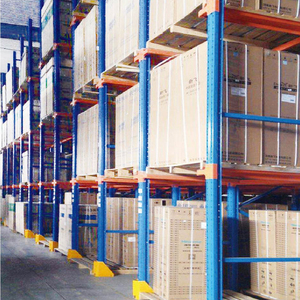
Refrigerated and frozen distribution centers around Toyosu, Heiwa-jima, and Daikoku Pier face exorbitant power expenses and limited floor space. Our heavy-duty drive-in, pushback, and automated pallet-flow systems use anti-embrittlement structural alloys that maintain structural integrity down to -30°C. By shrinking wasted aisle footprints, facilities maximize thermal envelope density and lower refrigeration energy costs per cubic meter.
Ken-O & Tomei Expressway High-Bay Automated Hubs
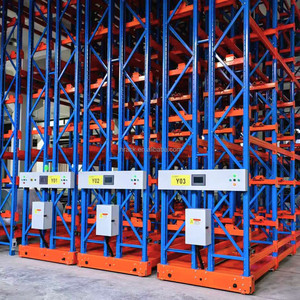
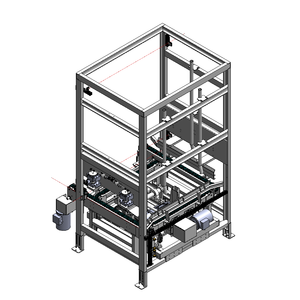
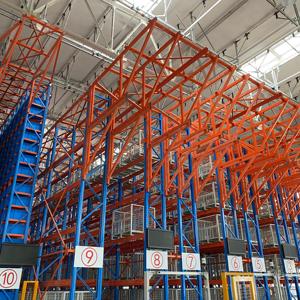
Along the outer logistics belts of Hachioji, Atsugi, and Sagamihara, next-generation fulfillment centers are deploying automated storage and retrieval systems (AS/RS). We fabricate millimeter-precise rack frames integrated with horizontal chain transfer units, top-tie stabilizing trusses, and sensor mounting brackets designed to withstand continuous 24/7 automated cycling without deflection.
Urban Micro-Fulfillment & Multi-Tier Mezzanine Lofts
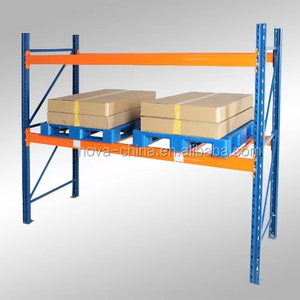
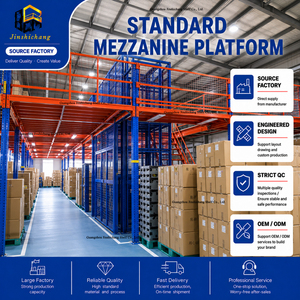
Urban inner-city facilities in Koto and Edogawa deal with soaring rental rates per tsubo (坪). Our selective boltless tubular racking systems and engineered steel mezzanine platforms create supplementary picking levels out of unused vertical space. Structural columns accommodate existing fire suppression sprinkler lines and egress stairs while adhering to Tokyo Fire Department fire code protocols.
Navigating Japan's Logistics 2024 Problem: OEM Solutions for Labor Shortages
The enforceability of overtime caps for commercial drivers—commonly designated as the "2024 Problem" in Japan—has forced procurement officers, warehouse operators, and logistics engineers in Tokyo to reconsider turn-around speeds and inventory positioning. Facilities can no longer afford sluggish, human-dependent material flow or single-deep selective racking that bottlenecks unloading bays.
As a specialized OEM factory, we adapt standard static racking installations into automation-ready infrastructure:
- Integration of Autonomous Mobile Robots (AMRs) with Modular Racking: Designing beam clearances and aisle floor runs that support low-profile AGV docking and robotic base charging tunnels.
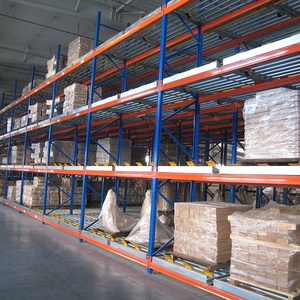
- Dynamic FIFO Gravity Runways: Replacing static floor bulk-stacking with inclined roller beds that feed outbound staging points continuously, cutting dock truck loading cycles by up to 35%.
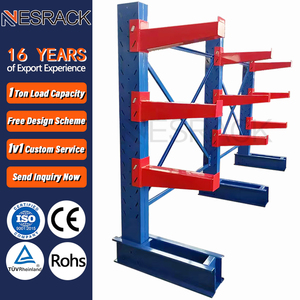
- Upright Torsional Resistance Upgrades: Utilizing closed-tube upright designs (SK2000 profile equivalents) that deliver 250% higher resistance to forklift side-impacts than traditional open-back c-sections, keeping operations online without structural shutdowns.
Through our comprehensive OEM manufacturing services, Japanese logistics providers obtain tailor-made racking systems built around standard JPR (Japan Pallet Rental) 1,100 × 1,100 mm pallets (the T11 standard), ensuring tight, space-efficient fits without unnecessary overhang.
Why Engineering Procurement Teams Partner Directly with Our Factory
Single-source engineering, raw steel procurement leverage, and tight quality-assurance loops eliminate distributor markups and safeguard delivery timelines.
Direct Factory Customization & OEM Flexibility
We do not broker components. From raw coil slit-rolling and automated multi-station beam punching to robotic welding and thermoset powder coat finishing, every part is produced in-house. We produce bespoke column gauges, custom seismic base footprints, and branded powder coating finishes to exact enterprise specs.
Rigorous QA, Weld Certification & Certified Steel
Our raw structural steel coils meet strict metallurgical standards (Q235B, Q355B, and SS400 chemical compositions). Every production run receives ultrasonic testing on critical load-bearing weld seams, salt-spray corrosion tests, and destructive load-testing, supported by third-party mill test certificates (MTC).
Precision Export Packing & Direct Tokyo Delivery
Exporting structural steel systems requires optimized container bundling to prevent transit deformities, marine moisture oxidation, and site damage. We bundle profiles using custom steel cradles and protective moisture-barrier wraps, delivering flat-packed directly to Tokyo port terminals, ready for straightforward on-site erection.
Frequently Asked Questions for Tokyo Storage Sourcing
Practical answers for engineering directors, procurement leads, and facility managers specifying racking projects in the Kanto area.
Engineering Your Tokyo Warehouse Storage System
Direct factory support, customized CAD layout drawings, and seismic load calculations tailored specifically to your facility’s layout and throughput demands.