Engineered Heavy Duty Storage Systems
Precision-machined structural configurations designed to handle extreme point loads, concentrated weight distributions, and rapid automated retrieval cycles.
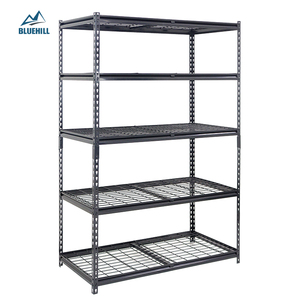
Slotted Angle Bar Steel Display Rack & Precision Component Tooling Storage
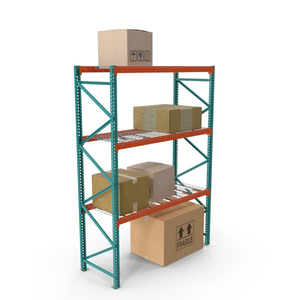
Heavy Duty Steel Beam Storage System Customizable Stacking 3000kg Load
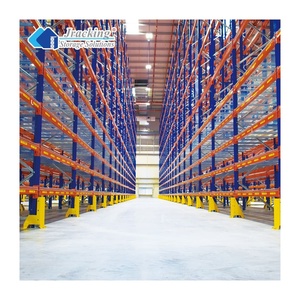
Euro Standard Steel Vertical Warehouse Racks Heavy Duty Selective System
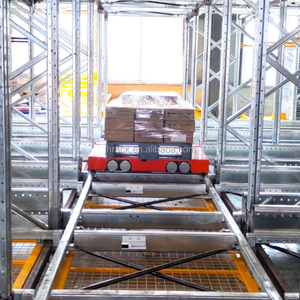
Autonomous Logistics Warehouse 4-Way Pallet Shuttle Heavy Duty Storage
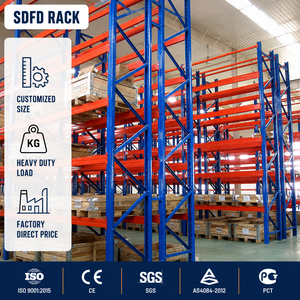
Adjustable Heavy Duty Pallet Racking Corrosion Protection 4000kg Shelving
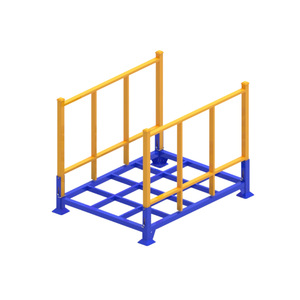
Folding Steel Stacking Rack High Stacking Industrial Heavy Duty Pallet Frame
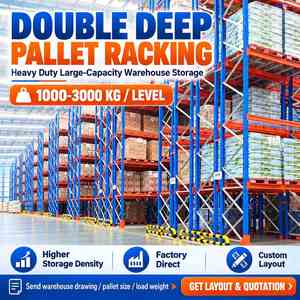
Industrial Double Deep Pallet Racking System Large Capacity Heavy Steel
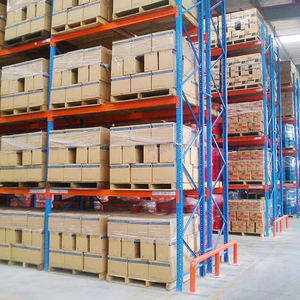
Combined Load-Row Connected Industrial Pallet Racking Heavy Duty Storage
Top 10 Heavy Duty Die Storage Racking Manufacturers & Structural Paradigms
In metal stamping, plastic injection molding, and automotive casting, tooling represents an enterprise's most critical capital investment. Storing monolithic dies weighing between 2,000 kg and 20,000 kg requires racking systems engineered beyond conventional pallet storage thresholds.
Structural Channel vs. Roll-Formed Profiles
For concentrated mold storage, roll-formed gauge steel often fails under repetitive dynamic loading. Top manufacturers utilize hot-rolled structural steel channels (ASTM A36 or Q345B) providing vastly superior torsional resistance and flange stiffness under concentrated point loading.
Deflection Ratios & Operational Safety
Standard warehouse racking tolerates beam deflection ratios of L/180. Heavy-duty die storage configurations demand deflection tolerances tighter than L/240 to L/400 to prevent binding of slide-out roll-out shelves and eliminate seismic unseating risks.
Global Industry Leader Evaluation (Top 10 Manufacturers Comparison)
The industrial tooling storage landscape is anchored by specialized manufacturers engineered to meet exacting regional and international safety mandates. The top 10 manufacturing ecosystems leading this sector include:
1. Steel King Industries, Inc. (USA): Pioneers in structural steel channel fabrication (SK3000 Series) with exceptional resistance to heavy forklift and crane impacts in demanding manufacturing facilities.
2. Jracking Group (Global): Renowned for high-volume precision manufacturing conforming to European FEM and Australian AS4084 standards with competitive export lead times.
3. Mecalux (Spain/USA): Pioneers in high-bay automated tooling AS/RS, integrating cranes with deep-lane handling for major automotive stamping plants.
4. Schaefer Systems (SSI Schaefer, Germany): Industry leaders in fully integrated tooling logistic hubs with high seismic load damping.
5. Ridg-U-Rak (USA): Celebrated for column-isolated structural designs and specialized die hook options tailored for metal fabrication.
6. Daifuku Co., Ltd. (Japan): World leaders in automated high-bay die turnover and robotic stamping tool retrieval systems.
7. Bito Lagertechnik (Germany): Masters in modular cantilever and multi-tier heavy storage with automated visual picking sensors.
8. Dexion (Storage Solutions Global): Specialized in heavy profile roll-out die racks for aerospace turbine casting storage.
9. Stow Group (Belgium): Leaders in automated shuttle integration for massive standardized tooling bins.
10. Foshan/Nanjing Regional Advanced Fabricators (China): Advanced structural manufacturers capable of high-spec OEM custom fabrication delivering massive cost efficiencies on heavy structural channels.
| Manufacturer Profile | Structural Archetype | Load Limit (Per Tier) | Impact Integrity | Optimal Deployment |
|---|---|---|---|---|
| Steel King Industries | Hot-Rolled Structural Channel | Up to 10,000 kg | Maximum (Forklift Rated) | Automotive Stamping Facilities |
| Roll-Out Die Specialists | Extendable Telescopic Decks | 1,500 – 5,000 kg | Medium-High | Overhead Crane Access & Tool Rooms |
| AS/RS Autonomous Shuttle | Closed Tubular Box Beam | 2,500 – 6,000 kg | High (Guided Systems) | Lights-Out Continuous Injection DC |
| Standard High-Bay Selective | Heavy Gauge Step Beams | 1,000 – 3,500 kg | Moderate (Requires Guarding) | Mixed Warehouse Tooling Batches |
Engineering considerations must also account for secondary factors: crane clearance, solid steel or composite deck plate support to prevent mold base indentations, and positive mechanical locking pins on all telescopic slide shelves.
Why Global Procurement Directs to Our Structural Fabrication
Our facilities unite structural steel engineering, automated robotic welding, and turnkey project accountability to protect heavy industrial assets.
Certified Structural Materials
We source heavy mill hot-rolled steel channels and structural rectangular tubes, ensuring tested yield strength far exceeding standard sheet roll-formers.
Finite Element Analysis (FEA)
Every bay profile undergoes localized stress modeling and dynamic seismic displacement simulations in accordance with RMI ANSI MH16.1 specifications.
Complete Single-Source Traceability
From mill test certificates to electrostatic powder coating adhesion testing, our integrated in-house manufacturing guarantees total quality verification.
Turnkey Global Project Delivery
Modular knock-down transport packaging, multilingual engineering drawings, and regional installation support keep cross-border deployments on schedule.
Emerging Procurement & Technological Trends
How Industry 4.0 and advanced factory ergonomics are redesigning tooling storage architectures for the next decade.
Integration of Autonomous Mobile Robots (AMR) & Shuttles
Forklift impact accounts for over 85% of structural racking failures. Future plants are moving heavy tooling storage toward automated 4-way pallet shuttle systems and automated rail-guided carts, eliminating human-driven collision risks and condensing storage footprints by 60%.
RFID & Digital Dynamic Slotting Management
Modern tooling management integrates load-bearing strain gauges and RFID tooling location tags directly into the racking uprights. Facilities dynamically track cycle usage, mold maintenance intervals, and storage temperature to prevent micro-fractures in high-precision die steel.
Overhead Crane Synergy & 100% Roll-Out Extensibility
To comply with stringent international occupational health regulations, manufacturers are shifting from static shelf insertion toward full 100% extension roll-out die racks. This allows overhead gantry cranes directly vertical drop access, eliminating awkward forklift maneuvering in tight aisles.
Frequently Asked Questions
Essential technical insights addressed by structural storage engineers to de-risk heavy tooling investments.
What is the standard safety factor for heavy-duty die storage racks? +
Can roll-formed teardrop uprights be used safely for stamping dies? +
How do solid steel decks compare with wire mesh decking for tooling? +
What floor slab specifications are necessary before installing die racks? +
Optimize Your Tooling Storage Today
Submit your tooling weights, building dimensions, and crane parameters. Our structural engineering group will prepare full 3D layout drawings, load calculations, and custom fabrication quotes.
Send an Inquiry