Featured Industrial Structural & Dynamic Racking Systems
Fabricated from certified ASTM A36 and high-tensile structural channel steels (Q235B / Q355B). Engineered to maximize seismic ductility, resist aggressive forklift impacts, and optimize pallet throughput in demanding global warehousing environments.
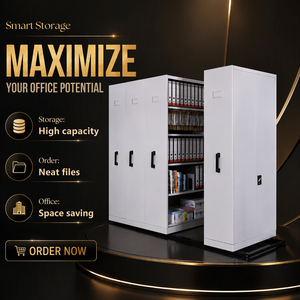
Modern Mechanical Mobile Compactor Shelving System Adjustable High Density Storage for Bulk File Management School Hotel Use
Mechanics: Dual-Gear Reduction Carriage Track
Capacity: Up to 1,200 kg / Bay Section
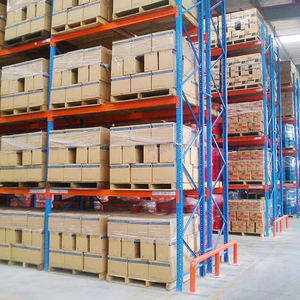
Combined Load-Row Connected Industrial Pallet Racking System Heavy Duty Warehouse Storage Racks 2000kg Steel
Load Rating: 2,000 kg – 4,500 kg per beam tier
Structural Base: Row-Connected Seismic Anchoring
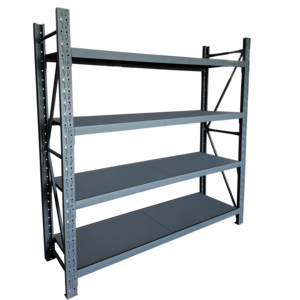
Warehouse Long Span Racking Steel Storage Racks Display Garage Shelves
Decking: Wire Mesh, Galvanized Plank, Solid Drop-in
Adjustment: 50mm / 75mm Incremental Pitch
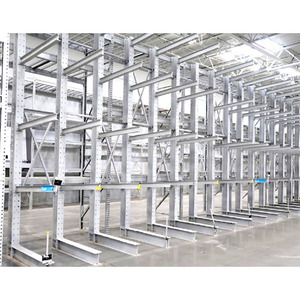
Industrial Cantilever Rack High Capacity Storage Solution for Steel Tube, Bar and Aluminum Profile Warehouses
Arm Capacity: 800 kg to 3,500 kg per straight arm
Clearance: Free uninterrupted linear storage
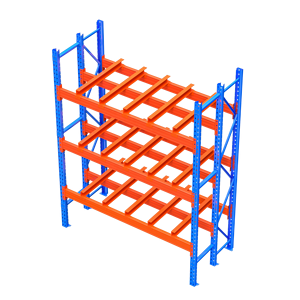
Factory Price Adjustable Pallet Rack Warehouse Heavy Duty Shelving Pallets Racking for Warehouse
Finish: Thermoset Epoxy Electrostatic Powder Coated
Standards: RMI MH16.1 & FEM 10.2.02 Structural Code
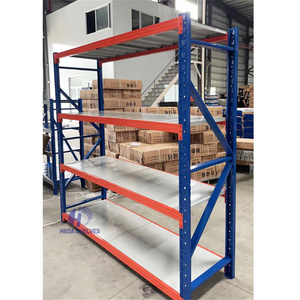
Customized Factory Supply Industrial Workshop Display Shelving Iron Shelves Storage Rack in Warehouse Light Iron Rack
Deck Load: 250 kg – 800 kg per uniform tier
Coating: Zinc Phosphatized Anti-Scratch Finish
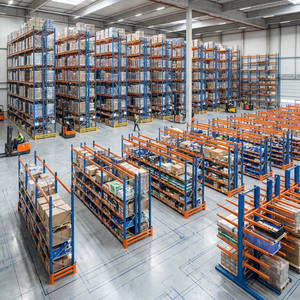
Industrial Heavy Duty Pallet Racking System Adjustable Warehouse Storage Shelving Q235B Steel Selective Rack For Cargo Handling
Frame Height: Up to 15,000 mm Monolithic or Spliced
Impact Defense: Heavy Gauge Welded Structural Deflectors
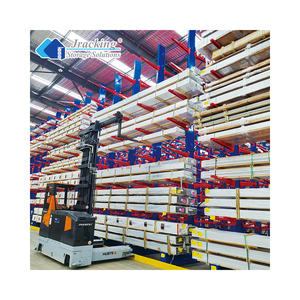
Jrackng High Capacity Heavy Duty Warehouse Storage Long Arm Cantilever Racking For Timber
Bracing: Heavy Diagonal & Horizontal X-Brace Bays
Finishes: Hot-Dip Galvanized for External Yard Exposure
Why Hot-Rolled Structural Channel Racking Outperforms Roll-Formed Steel
In modern high-velocity distribution centers and cold storage facilities, warehouse racks are exposed to continuous mechanical impacts, extreme thermal gradients, and cyclic dynamic fatigue. When procurement managers specify warehouse infrastructure, the core structural engineering debate centers between hot-rolled structural steel channel (ASTM A36 / Q235B / Q355B) and thin-gauge roll-formed sheet steel.
Roll-formed upright frames are manufactured by cold-bending light-gauge coil (typically 12-gauge to 16-gauge). While economical for light commercial shelving, cold work induces internal residual stress along corner radii, creating vulnerability to sudden torsional buckling when struck by standard counterbalanced or reach forklifts. In contrast, hot-rolled structural channel racking features heavy-flange structural channels bolted rigidly to structural beams.
- Impact Energy Dissipation: Thick structural flanges (5mm to 8mm+) absorb repetitive forklift strikes without transferring localized buckling into upright load paths.
- Bolted Structural Connections: Grade 5 / Grade 8 structural carriage bolts maintain clamp preload under severe lateral seismic accelerations, preventing accidental beam dislodgement.
- Extended Lifecycle & Total Cost of Ownership: Reduced maintenance downtime, zero upright tear replacement cycles, and guaranteed structural compliance over a 30+ year design horizon.
| Performance Criterion | Hot-Rolled Structural Racking (C-Channel / I-Beam) | Cold-Formed Roll-Formed Racking | Procurement Impact |
|---|---|---|---|
| Steel Grade & Yield Strength | ASTM A36 / Q235B / Q355B (Yield ≥ 235–355 MPa; thick web) | Commercial Light Gauge Strip (Q195–Q235, 1.5–2.5mm) | Structural handles 2–3x higher localized point loading without yielding. |
| Forklift Impact Resistance | Superior Heavy web & flange deflects direct tine blows | Vulnerable Prone to tear, crease, and upright twist | Structural cuts insurance and ongoing rack repair expenditures by >75%. |
| Freezer / Cold Storage (-30°C) | High notch impact toughness; no low-temp brittle transition | Cold-working strain accelerates micro-crack formation | Mandatory safety preference for high-throughput cold logistics. |
| Seismic Performance (SDC D, E, F) | Ductile moment frame behavior; engineered bolted gussets | Relies on clip-in teeth and teardrop friction locks | Structural simplifies local civil permitting and stamp approval. |
| Initial Capex vs 15-Yr TCO | Moderate initial capex premium; near-zero maintenance TCO | Lowest initial capex; high cumulative repair and downtime TCO | Structural yields superior ROI on intensive 2-shift and 3-shift operations. |
Single-Source OEM/ODM Manufacturing Capabilities
From initial site civil analysis and finite element structural modeling (FEM) to multi-axis robotic CNC punching, high-volume automated welding, and international shipping container optimization—we eliminate supply chain fragmentation.
Custom OEM/ODM Engineering
Proprietary column perforations, bespoke beam end-connectors, specialized roll-in guide rails, and customized rack dimensions matched to regional automated machinery (AS/RS, AGV, AMR, and reach-truck fleets).
Certified Code Compliance
Every structural design complies with RMI ANSI MH16.1 (US), EN 15512 (European Union), AS 4084 (Australasia), and regional seismic building codes. Calculations accompanied by certified structural engineering PE stamps upon request.
Robotic Welding & Finishing
Continuous dual-sided robotic MIG welding under strict AWS D1.1 specifications. Fully automated 9-stage phosphate pre-treatment with electrostatic TGIC polyester powder coating, or ISO 1461 hot-dip galvanizing for corrosive settings.
Containerized Export Packaging
Heavy-duty steel channel dunnage, custom nested stacking, anti-friction vapor-barrier wrapping, and precision weight distribution ensure zero sea-freight distortion and swift on-site forklift unloading in 40ft HQ ocean containers.
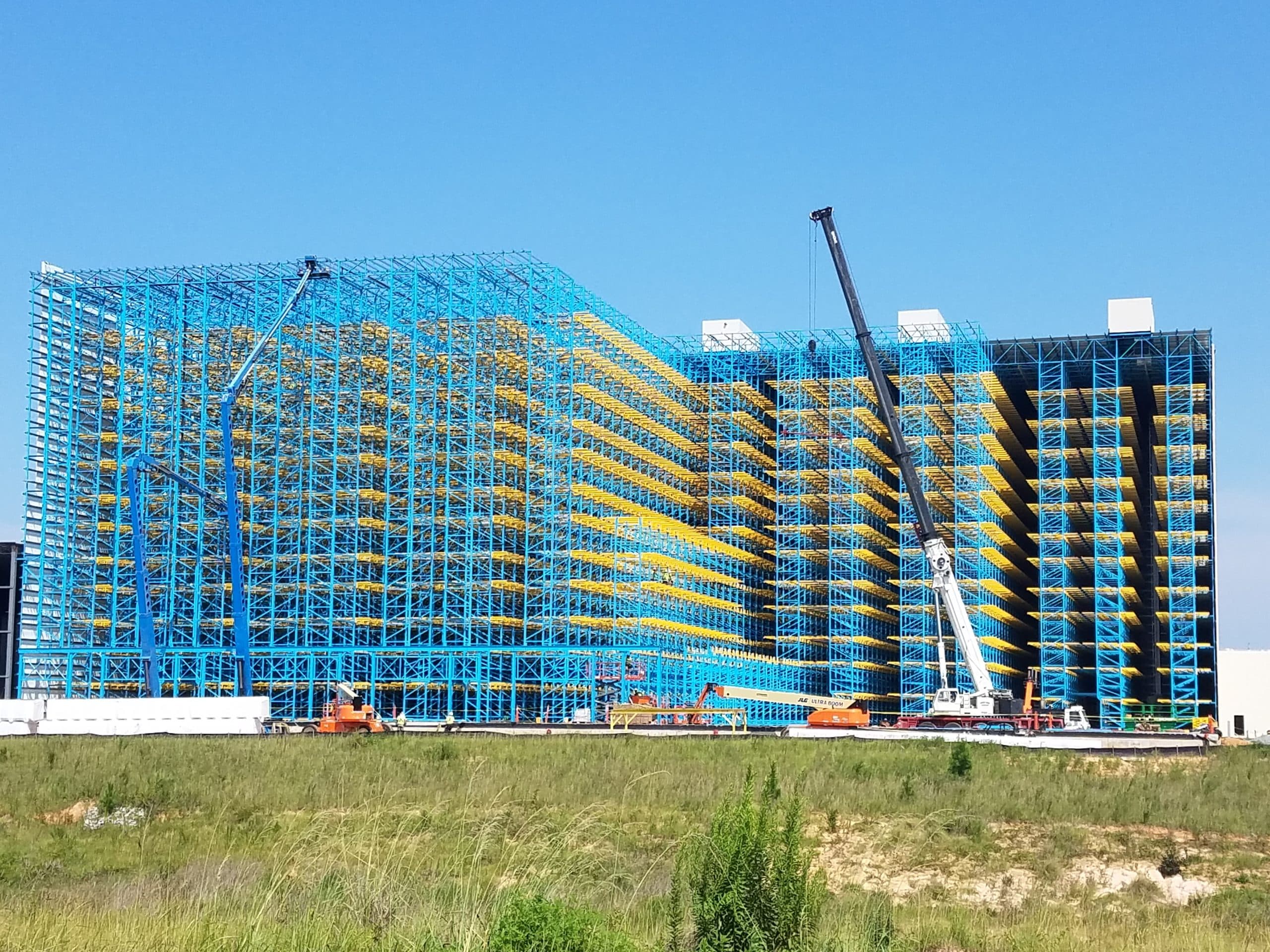
Structural Rack-Supported AS/RS & Automated Pick Modules
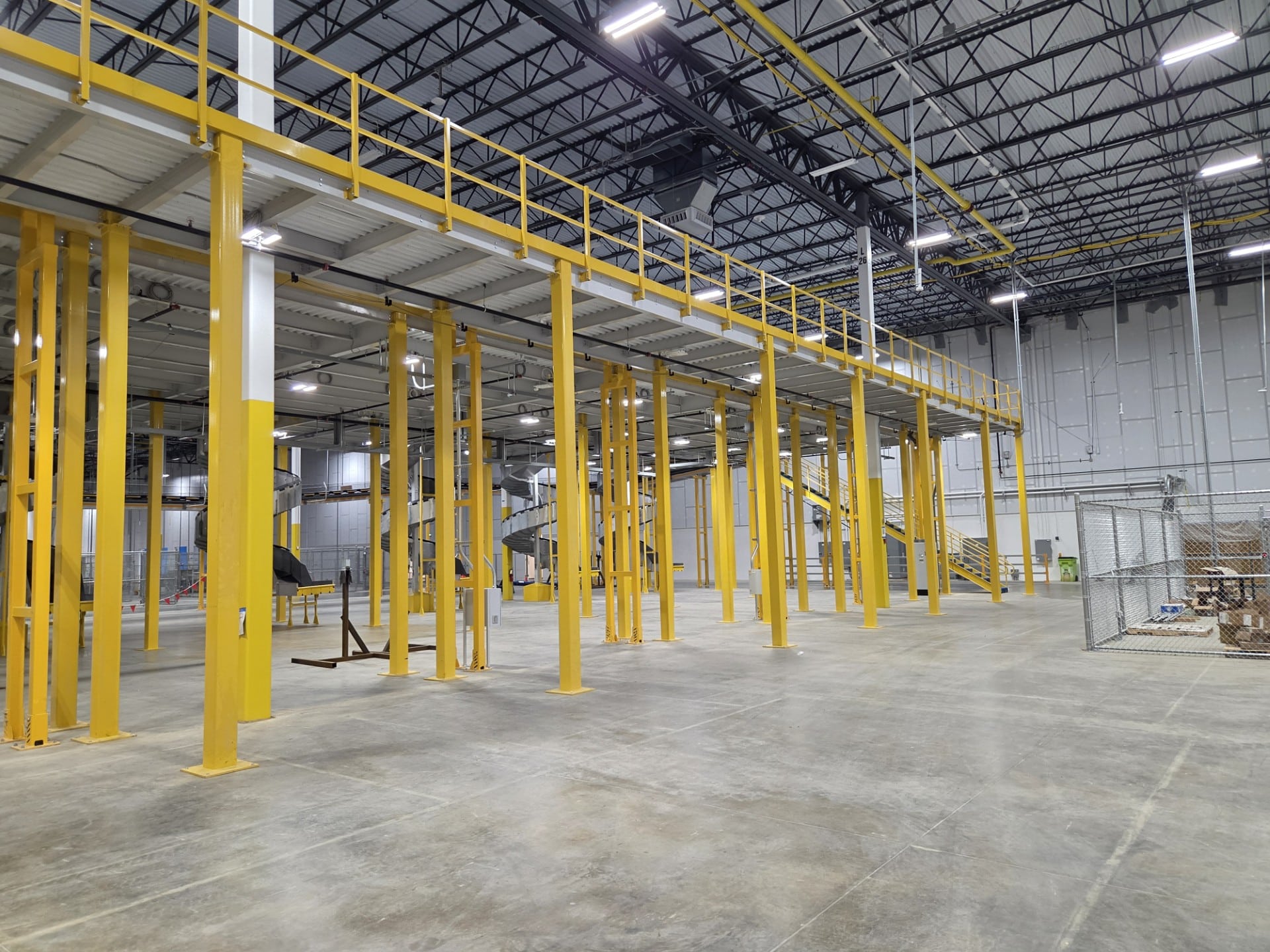
As global logistics shifts from manual warehousing toward Lights-Out Automation, storage racking ceases to be passive shelving—it transforms into the high-precision structural backbone of entire material handling ecosystems. Our OEM/ODM structural engineering group specializes in tight-tolerance structural frames supporting automated cranes, high-speed rail systems, and autonomous mobile robot (AMR) multi-level mezzanines.
Whether you are engineering a rack-supported building (clad-rack warehouse) where the structural racking supports the facility’s exterior wall envelope and roof loads, or integrating automated pallet shuttle runners inside deep cold-storage bays, our engineering teams provide complete structural calculation packages and finite element load distribution analyses.
Future Procurement & Technological Trends in Structural Racking
An in-depth evaluation of global macro-economic shifts, environmental sustainability standards, seismic resilience mandates, and how international supply chain directors can de-risk multi-million dollar warehouse investments.
1. Modular Reconfiguration & Circular Asset Reusability
Volatile supply chains and rapid SKU churn are rendering permanently welded storage configurations obsolete. Forward-thinking enterprise buyers now prioritize heavy structural bolted modularity. Upright splices, interchangeable beam connectors, and bolt-on front deflector columns allow warehouses to seamlessly reconfigure pallet bays into picking lanes or automated shuttle tracks without structural scrap waste or recertification roadblocks.
2. ESG Compliance & Low-Carbon "Green Steel" Sourcing
Global multinational corporations (MNCs) are subjected to strict Scope 3 greenhouse gas reporting. Procurement mandates are increasingly specifying structural steel manufactured via Electric Arc Furnace (EAF) utilizing high recycled scrap ratios rather than traditional blast furnace iron ore reduction. Our foundry partners provide documented Environmental Product Declarations (EPDs) with verifiable embodied carbon metrics per metric ton of fabricated racking.
3. Advanced Seismic Ductility & Digital Twin Monitoring
With regional seismic codes (IBC 2024, Eurocode 8, NZS 1170.5) demanding higher ductility factors for warehouse rack structures, modern installations feature specialized fuse-type baseplates that absorb kinetic shear forces during tremors. Concurrently, IoT strain gauge sensors embedded inside structural uprights now transmit real-time deflection and impact alerts directly to warehouse management systems (WMS) before structural failure occurs.
Strategic OEM/ODM Sourcing Framework for International Buyers
When managing an overseas capital project for logistics racking, engineering procurement executives often face discrepancies between local mill test certificates, seismic design calculations, and physical shipping tolerances. To safeguard capital allocation, experienced procurement teams employ a structured 4-phase sourcing protocol:
Frequently Asked Questions by Industrial Racking Buyers
Critical technical, operational, and commercial answers compiled by our senior structural engineering directors and global project management teams.
ASTM A36 and Chinese GB/T 700 Q235B are low-carbon structural steels with a minimum yield point of 235–250 MPa, offering exceptional cold-weather ductility, superior weldability, and impact absorption. Q355B is a low-alloy, high-strength structural steel with a yield strength of 355 MPa, used primarily for extra-tall monolithic upright columns (>12m) and high-load AS/RS structures to reduce steel cross-sectional deadweight while sustaining extreme vertical axial compression.
Under RMI ANSI MH16.1 specifications, allowable vertical deflection of a pallet rack beam under design uniform distributed load (UDL) cannot exceed L/180, where L is the clear span distance between upright columns (e.g., for a standard 2700mm beam, max allowable deflection = 15mm). In automated robotic or automated conveyor picking modules, our engineering team tightens this threshold to L/240 or L/300 to guarantee flawless sensor feedback and prevent optical scanner distortion.
For municipal and civil approval in regions like North America, Europe, Australia, and the Middle East, our OEM engineering department provides: (1) Full project layout drawings signed off with engineering dimensioning; (2) Structural engineering calculation packages documenting dead load, live load, seismic acceleration coefficient (Ss, S1), and wind load for clad-rack installations; (3) Mill Test Reports (MTRs) validating yield and chemical breakdown; (4) Certified PE (Professional Engineer) structural review stamps upon contractual scope agreement.
For indoor, ambient, climate-controlled dry warehouses, electrostatic epoxy-polyester TGIC powder coating (60–90 microns thickness) provides exceptional abrasion resistance, attractive corporate color coding, and superior edge coverage at economical capex. For external yard cantilever racking, coastal regions with marine salt-mist exposure, or sub-zero chemical fertilizer storage, batch Hot-Dip Galvanizing (HDG according to ISO 1461 / ASTM A123, 75–100 microns zinc thickness) provides complete electrochemical cathodic protection for over 40 years without maintenance.
Uprights and structural channel components are bundled using specialized steel straps and wood block spacers to prevent direct metal-on-metal abrasion. Beam connector brackets are shielded with heavy protective wrapping. All components are packed in container-length modular bundles with heavy-duty steel dunnage that permits rapid unloading via long-tine forklift extensions, ensuring zero transit deformation and total container volume optimization up to 26–27 metric tons per 40ft HQ container.
Accelerate Your Storage Infrastructure with OEM/ODM Engineering
Submit your warehouse layout drawings, pallet load requirements, or tender specifications. Our certified structural engineers will generate comprehensive CAD layouts, static calculations, and competitive volume quotation packages within 24–48 hours.