Featured Flow & Heavy-Duty Storage Equipment
Explore our heavy-duty engineering solutions built for mission-critical warehousing, cold chain distribution, and dynamic order picking operations.
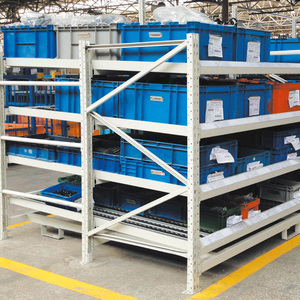
High Density Heavy Duty 5 Cold Rolled Steel Powder Coated Flow Rack Warehouse Storage Carton Pallet Gravity Shelves
Technical Details →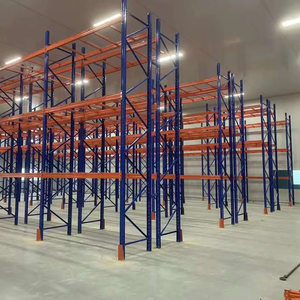
Boltless Heavy Duty Pallet Rack 1000kg/Layer 5-Tier Adjustable Powder Coated Warehouse Industrial Racking
Technical Details →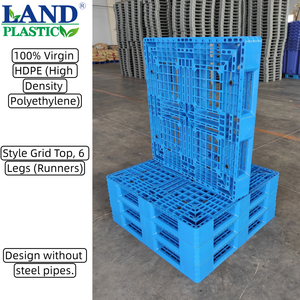
Heavy Duty Euro Plastic Pallet Single Faced 1100x1100mm 4-Way Entry Grid Deck For Automated Racking
Technical Details →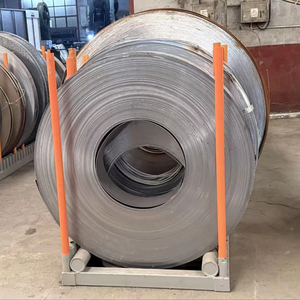
Heavy Duty Steel Coil Storage Rack, Industrial Cradle Rack for Heavy Coil Material Handling Logistics
Technical Details →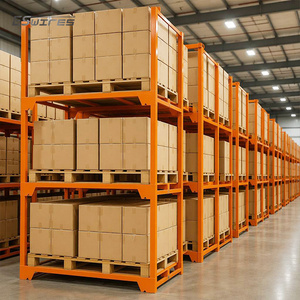
Heavy Duty Warehouse Industrial Storage Nestainer Metal Portable Steel Racks Pallet Stacking Frames
Technical Details →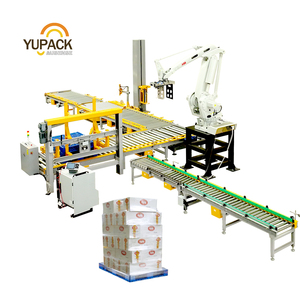
High-Capacity Robotic Carton Palletizer Designed for Logistics Centers Requiring Automated Workflow
Technical Details →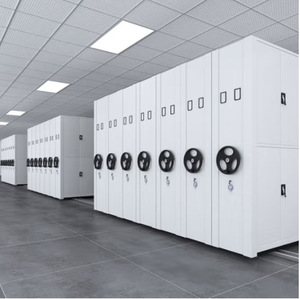
Movable Adjustable Steel Modern Freestanding Shelves for School and Hospital Use Bulk Wholesale
Technical Details →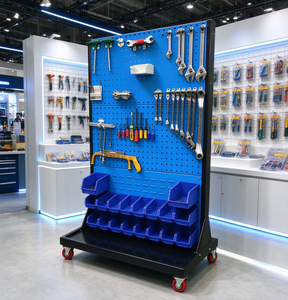
Custom Industrial Hardware Repair Tools Metal Storage Rack Exhibition Store Supplier Display Stand With Wheels
Technical Details →The Physics of Heavy Duty Pallet Flow Racking Architecture
A comprehensive examination of dynamic gravity storage, centrifugal speed regulation, and structural metallurgy.
As a leading Chinese supplier and global exporter of heavy-duty pallet flow racking systems, our structural engineering focuses on maximizing vertical and horizontal volumetric efficiency while maintaining total inventory velocity control. Pallet flow racking, also commonly classified as gravity flow racking, is a dynamic compact storage method engineered around the First-In, First-Out (FIFO) operational principle. Utilizing inclined roller beds—typically pitched at an engineered gradient between 2.5% and 4.0%—these systems rely purely on gravitational force to advance pallets from the charge (loading) aisle to the discharge (picking) face.
The elimination of interior handling aisles converts up to 70% of previously wasted space into active storage capacity. This architectural shift provides unmatched economic benefits for high-throughput distribution environments, such as perishable food and beverage handling, cold storage facilities, raw material staging in pharmaceutical manufacturing, and buffer warehousing behind robotic palletizing zones.
Centrifugal Brake Rollers
Internally geared speed controllers calibrated to maintain safe descent speed (<0.3 m/s) independent of total unit weight, effectively stopping runaway acceleration.
Dynamic Ramp Separators
Heavy mechanical pallet stops isolate the front discharge pallet from line pressure, ensuring forklifts can retrieve the lead unit with zero hydraulic back-pressure.
High-Impact Structural Steel
Uprights and beams cold-rolled from high-tensile Q235B/Q355B structural steel, conforming strictly to RMI ANSI MH16.1 specifications and dynamic seismic zoning.
Operating a deep gravity lane spanning up to 20 pallets deep demands mechanical precision. Our manufacturing protocols integrate custom heavy-gauge galvanized steel rollers with double-shielded precision bearings, continuous welded channel structural guides, and high-impact entry alignment plates. These combined systems shield the racking from operator misalignments, ensuring that operations run smoothly with zero unplanned downtime.
Engineering Specifications & Structural Capabilities
Engineered tolerance envelopes customized to individual warehouse slab profiles and handling geometries.
| System Attribute | Standard Specification | Heavy-Duty Option | Compliance Standard |
|---|---|---|---|
| Load Capacity Per Pallet | 500 kg – 1,000 kg | 1,200 kg – 2,500 kg per position | RMI MH16.1 / EN 15512 |
| Lane Depth Capability | 2 to 10 Pallets Deep | Up to 25 Pallets Deep (Continuous) | FEM 10.2.02 |
| Roller Track Pitch | 3.0% – 3.5% (Configurable) | Custom calibrated to pallet bottom deck | DIN 15018 |
| Speed Braking Mechanism | Direct Drop Centrifugal Brake | Indirect Magnetic Eddy Current Regulators | ISO 9001:2015 |
| Surface Protection | Electrostatic Epoxy Powder (60-80µm) | Hot-Dip Galvanized for Freezers (-30°C) | ASTM A123 |
Procurement & Technological Evolution in Pallet Flow Racking
How supply chain executives are navigating automation, cold chain expansion, and lifecycle cost economics.
As global supply chains navigate labor shortages, climbing square-meter land costs, and tighter carbon mandates, the procurement of heavy-duty pallet flow systems has evolved from simple steel purchasing into high-level logistics systems engineering. Warehouse architects and operations directors are increasingly factoring the following technological developments into their capital procurement roadmaps:
1. Direct Integration with Automated Guided Vehicles (AGVs) and Autonomous Forklifts (AMRs): Modern flow racking installations no longer rely solely on human-operated lift trucks. Robotic integration demands millimetric precision at both the infeed loading guides and the outfeed discharge stops. Forward-thinking procurement teams specify heavy-duty pallet flow racks with optical reflection sensors, electronic load-presence interlocking mechanisms, and reinforced entry guidance funnels that allow AGVs to drop and pick loads without operator delays.
2. Cold Chain Surge and Zero-Energy Density Demands: The boom in biologics, cold-storage foods, and fresh grocery fulfillment has driven up industrial refrigeration costs. Pallet flow racking delivers high operational value in temperature-controlled spaces by eliminating wasteful ambient aisles. High-density designs drastically cut the thermal footprint per pallet position. Moving forward, procurement guidelines prioritize hot-dip galvanized components, freeze-rated synthetic lubricants, and low-temperature alloy roller springs that operate reliably at -30°C without risk of embrittlement.
3. Transition Toward Magnetic Non-Contact Retardation: While traditional friction-based centrifugal brake rollers remain common, next-generation heavy-duty flow racking increasingly uses non-contact magnetic eddy-current braking systems. By avoiding direct surface friction, these magnetic regulators eliminate internal gear wear, eliminate rubber shedding, and operate silently. This drop in maintenance needs delivers a lower Total Cost of Ownership (TCO) across 15- to 20-year facility lifecycles.
Why Global Distributors & EPC Integrators Choose Us
Certified steel manufacturing, precision engineering, and comprehensive project execution.
Single-Source In-House Production
From initial cold roll-forming and CNC robotic punching to automated powder coating and dynamic roller testing, we maintain end-to-end quality control without subcontracting risks.
Engineered to RMI & EN Standards
Our structures comply with RMI ANSI MH16.1, EN 15512, and AS 4084 requirements. Every system is supported by finite element analysis (FEA) and site-specific seismic calculations.
High-Grade Certified Metallurgy
We source heavy-gauge structural channel and hot-rolled coil exclusively from Tier-1 state-owned steel mills. Mill test certificates (MTC) accompany every single shipping container.
Complete Export Packaging Engineering
Components receive specialized container bundling, corner-protection bracing, moisture-proof wrapping, and barcoded part markers for fast unloading and assembly on site.
Pre-Delivery Gravity Testing
We run physical flow tests using client-specific pallet samples on full-scale test beds. We evaluate deflection, roller responsiveness, and separator clearances before container loading.
Dedicated Overseas Project Support
Our English-speaking engineering team provides complete 3D layout modeling, structural calculations, installation blueprints, and live video commissioning assistance worldwide.
Frequently Asked Questions on Pallet Flow Racking
Direct answers from our senior racking engineers covering design criteria, operations, and cost optimization.
What floor slab capacity is required for deep-lane pallet flow systems? +
Because pallet flow racking achieves exceptional density without intermediate aisles, floor point loads are concentrated through upright baseplates. Typically, concrete slabs must be at least 150 mm to 250 mm thick with compressive strengths of 25 to 35 MPa. During the project design phase, our engineers provide baseplate point-load calculations so your local civil engineer can verify punch-through resistance and soil loading limits.
How do pallet design and condition affect flow reliability? +
Pallet flow systems rely on direct contact between the roller beds and the pallet runners or base boards. Standard GMA (wood), Euro pallets, and runner-base plastic pallets flow reliably. However, warped runners, missing bottom boards, protruding nails, or sagging footprints can disrupt flow lanes. In applications with diverse or damaged pallets, our engineers design three-track roller systems, full-width split rollers, or slave pallets to keep dynamic flow running smoothly.
How do speed controllers and dynamic separators protect warehouse staff? +
Safety is built directly into our gravity lane architecture. Centrifugal brake rollers automatically engage based on rotation speed, ensuring loads travel safely regardless of whether a pallet weighs 400 kg or 1,500 kg. At the pick face, heavy mechanical separators hold back rear pallets, isolating the discharge pallet from lane pressure. This allows forklift drivers to extract the lead pallet smoothly without risk of tipping or binding.
Can heavy-duty pallet flow racking operate reliably inside -30°C blast freezers? +
Yes. Pallet flow racking is widely used in cold storage facilities because it minimizes refrigerated air volume per pallet. For sub-zero installations, we specify hot-dip galvanizing over powder coating, stainless steel roller internal components, low-temperature synthetic grease, and low-temperature structural steel alloys that resist cold-temperature embrittlement.
What information is required to receive a full engineering drawing and formal quotation? +
To produce an accurate 3D CAD proposal and structural calculation, please provide: building architectural drawings detailing clear height and column locations, pallet specifications (width, depth, overall height, and minimum/maximum weight), desired lane depth, inventory turnaround rates, forklift make/model details, and local seismic parameters.
How does the Total Cost of Ownership compare between Push-Back and Pallet Flow? +
While push-back racking uses a Last-In, First-Out (LIFO) approach with lower initial hardware costs for shallow lanes (2-5 deep), pallet flow delivers true First-In, First-Out (FIFO) rotation and can extend up to 25 pallets deep. In high-turnover logistics centers handling perishable goods, the reduction in forklift transit times and elimination of spoiled inventory deliver a faster capital payback—frequently within 14 to 22 months.
Transform Your Warehouse Space Into High-Density Capacity
Connect directly with our senior logistics structural engineers. We provide comprehensive CAD drawings, structural capacity certifications, and transparent factory-direct pricing for your project.